Updated April 21, 2026
What Does Pet Insurance Cover?
A complete breakdown of what pet insurance actually covers — accidents, illnesses, cancer, surgery, diagnostics — with real costs for each treatment. See exactly what you get for your monthly premium.
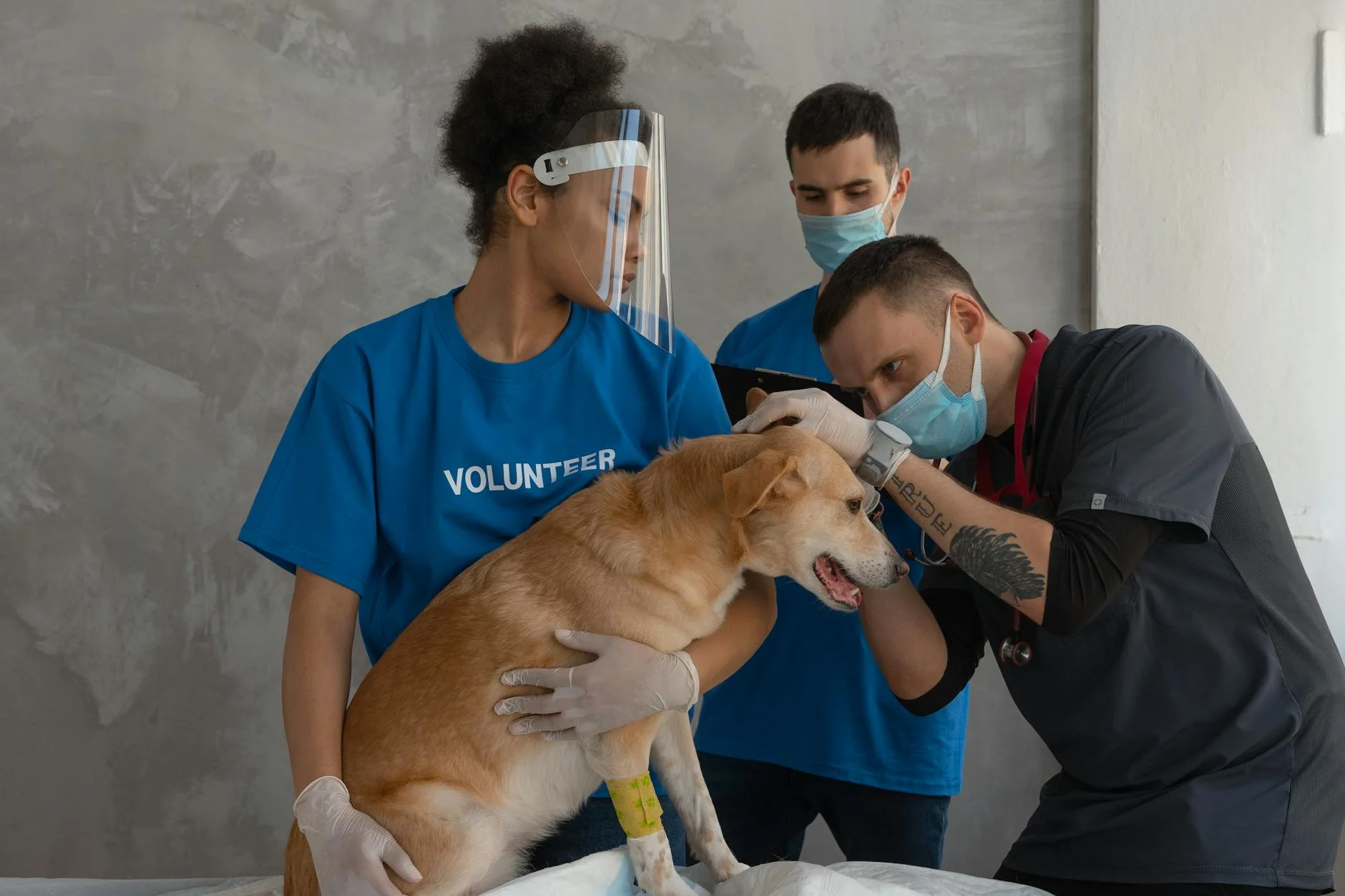
Pet insurance reimburses you for veterinary costs when your pet gets sick or injured. Unlike human health insurance where you pay a copay and walk away, pet insurance works on a reimbursement model — you pay the bill upfront, then get 70% to 90% back after meeting your deductible.
What you actually get covered depends entirely on which tier you buy. The cheapest plans cover only accidents. Mid-range plans add illness coverage. Comprehensive plans throw in wellness care too. Getting clearer on what each tier covers — and what each treatment typically costs — is the only way to know whether insurance makes sense for your pet.
This guide breaks it all down. Real costs. Real exclusions. No marketing fluff.
Three Types of Pet Insurance Coverage
Pet insurance plans fall into three tiers. What you pay each month determines what you get covered. Here is the honest breakdown.
Accident-Only
$10–25/moBest for: Young pets on tight budgets, or owners who want low-cost protection against emergencies
- ✓ Broken bones from falls or accidents
- ✓ Hit-by-car injuries
- ✓ Foreign object ingestion (eating something they should not have)
- ✓ Poisoning from ingesting toxic substances
- ✓ Cuts, lacerations, and wounds
- ✓ Emergency stabilization
- ✕ Illnesses — infections, cancer, anything that develops slowly
- ✕ Allergies, skin conditions, ear infections
- ✕ Digestive issues and stomach problems
- ✕ Routine care — annual exams, dental cleaning
Accident & Illness
$30–60/moBest for: Most pet owners who want real protection without paying for wellness add-ons
- ✓ All accident injuries
- ✓ Infections — ear, skin, urinary, respiratory
- ✓ Cancer — surgery, chemotherapy, radiation
- ✓ Allergies and skin conditions
- ✓ Digestive issues and stomach problems
- ✓ Surgery and hospitalization
- ✓ Diagnostic testing — X-rays, blood work, ultrasound, MRI
- ✓ Prescription medications
- ✕ Pre-existing conditions
- ✕ Breeding costs and pregnancy complications
- ✕ Cosmetic or elective procedures
- ✕ Routine wellness care — annual exams, vaccinations (unless added)
Comprehensive
$50–100/moBest for: Pet owners who want full coverage including preventive care
- ✓ Everything in accident-and-illness plans
- ✓ Annual wellness exams
- ✓ Vaccinations and flea/tick prevention
- ✓ Dental cleaning (routine)
- ✓ Spay and neuter
- ✓ Behavioral therapy (if prescribed by a vet)
- ✓ Alternative therapies — acupuncture, physical therapy
- ✕ Pre-existing conditions
- ✕ Breeding costs
- ✕ Grooming and boarding
- ✕ Cosmetic procedures
What Is Covered — And What It Costs
Here is what accident-and-illness pet insurance actually covers, with the real costs for each treatment. These are typical US vet prices — your area may vary.
Emergency & Specialist Care
Diagnostic Testing
Surgical Procedures
Cancer Treatment
Medications & Ongoing Care
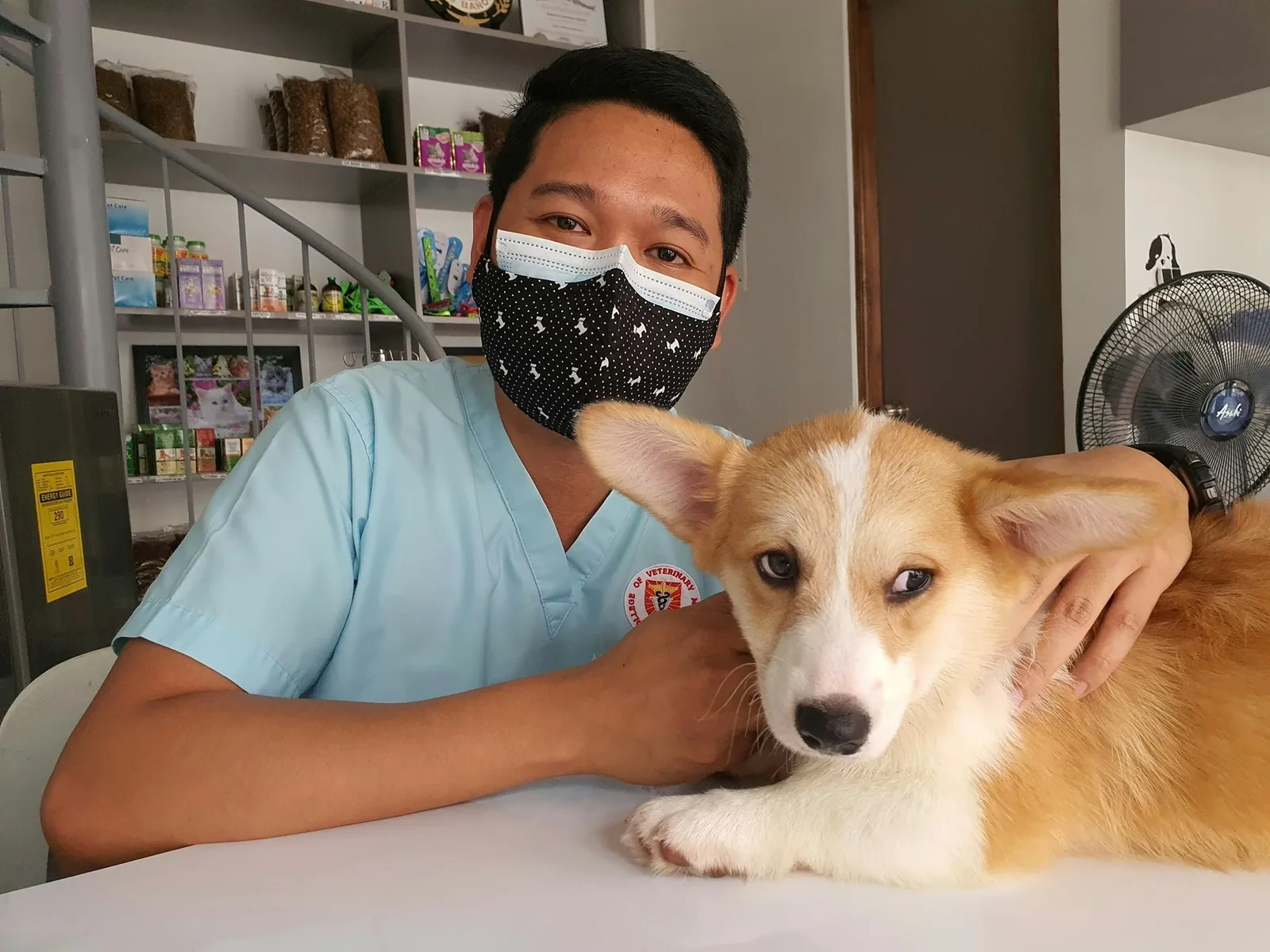
Cancer treatment is one of the most financially significant covered conditions — costs range from $3,000 to $15,000+
Why These Costs Matter
Emergency surgery for a dog that ate something foreign runs $1,500 to $3,000. Cancer treatment can hit $3,000 to $15,000. A week in ICU with hospitalization can cost $3,000 to $10,000.
Monthly premiums for accident-and-illness coverage average $30 to $60 for dogs. One major health event can equal years of premiums. For most pet owners, insurance math works — as long as the plan you buy actually covers the conditions your pet faces.
The key is knowing what your plan covers before you need it, not after. Breed matters too. German Shepherds need hip dysplasia coverage. French Bulldogs need breathing surgery coverage. Labrador Retrievers face elevated cancer risk. Choose your plan based on your pets actual health profile.
What Pet Insurance Does Not Cover
Knowing what is excluded matters as much as knowing what is covered. These are the standard exclusions across virtually all pet insurance providers.
Pre-existing conditions
Any illness or injury that existed or showed symptoms before your coverage start date. This is the most common claim denial — and the most important reason to enroll when your pet is young and healthy.
Breeding costs
Pregnancy, whelping, C-sections, and breeding-related complications. Budget for these out of pocket if you plan to breed your pet.
Cosmetic procedures
Tail docking, ear cropping, declawing — these are considered elective and are never covered by standard plans.
Routine wellness care
Annual checkups, dental cleaning, vaccinations, and flea prevention require a wellness add-on or comprehensive plan. Not covered under basic accident-and-illness plans.
Grooming and boarding
Bathing, nail trimming, routine grooming, and boarding costs are not covered. These are considered routine pet care, not medical issues.
Food and supplements
Regular food, treats, and non-prescription supplements are not covered. Prescription diets for covered conditions may be covered by some providers.
Behavioral training
Obedience training, behavioral modification, and anxiety medication are usually not covered unless prescribed as part of treating a medical condition.
Coverage That Varies by Provider
These coverage areas are where provider choice matters most. What one provider covers freely, another may exclude or limit. Read the policy carefully before signing up.
Hip dysplasia
Coverage ranges from a 6-month waiting period to outright exclusion depending on the provider. Some cover it under illness after the waiting period; others exclude it entirely as a hereditary condition. German Shepherds, Labrador Retrievers, and Golden Retrievers are especially prone.
Dental disease
Some providers cover dental illness (tooth infections, gum disease) but exclude dental accidents. Others cover both. Very few cover routine dental cleaning without a wellness add-on. Dental disease is extremely common in small breed dogs.
Behavioral issues
Some plans cover behavioral therapy if prescribed by a veterinarian as treatment for a medical condition. Others exclude behavioral issues entirely. If your breed is prone to anxiety or aggression, check this carefully.
Alternative therapies
Acupuncture, chiropractic care, and physical therapy are covered by some providers but not others. When covered, these typically require a vet prescription. Trupanion and Healthy Paws generally offer stronger alternative therapy coverage.
Prescription food
Some providers cover prescription diets when prescribed as part of treating a covered condition. Most exclude regular food entirely. Coverage for therapeutic diets for conditions like diabetes or kidney disease varies.
Genetic and hereditary conditions
Many hereditary conditions like hip dysplasia, elbow dysplasia, and certain eye conditions have provider-specific rules. Some cover them after a waiting period, some have breed-specific exclusions, some exclude them entirely. Getting coverage before symptoms appear matters most for hereditary conditions.

The Pre-Existing Condition Rule Is the Biggest Trap
Every pet insurance plan excludes pre-existing conditions. This is not a loophole or a trick — it is the standard across the industry. A pre-existing condition is any illness or injury that existed, showed symptoms, or was diagnosed before your coverage start date.
If your dog was limping three months before you bought insurance, that knee issue is pre-existing and will not be covered — even if it gets dramatically worse later. If your cat was diagnosed with kidney disease before enrollment, that condition stays excluded forever on most plans.
This is why the single most important piece of advice across every pet insurance conversation is: enroll your pet when they are young and healthy. Not when they are 7. Not when they have already shown symptoms. When they are a puppy or kitten with a clean medical slate.
Some providers distinguish between curable and incurable pre-existing conditions. Curable conditions — like a minor skin infection that fully resolves — may become covered again after 12 to 18 months without symptoms. Incurable conditions — like diabetes or cancer — are excluded permanently.
Learn More About Pet Insurance
How Pet Insurance Works
The reimbursement model, deductibles, waiting periods, and how to file a claim.
Waiting Periods Explained
Why waiting periods exist, how long they last, and which states regulate them.
Compare Pet Insurance Providers
See how Healthy Paws, Embrace, Lemonade, and Trupanion stack up on coverage, price, and claims.
Frequently Asked Questions
What does accident-only pet insurance cover?
What does accident-and-illness pet insurance cover?
Does pet insurance cover cancer treatment?
Does pet insurance cover pre-existing conditions?
Does pet insurance cover hip dysplasia?
Does pet insurance cover dental work?
Does pet insurance cover breeding costs and pregnancy?
How much does pet insurance cost vs. typical vet treatments?
CheckItAll Team
Our editorial team researches and reviews pet insurance providers to help you make informed decisions. We are committed to transparent, unbiased comparisons and may earn compensation from partner links.
Advertising Disclosure: CheckItAll.net is an independent comparison site. We may receive compensation when you click links or sign up with partners featured on our site. This compensation may affect how and where products appear on this site. Our opinions are our own. Read our full disclosure.