Pet Insurance & Pre-Existing Conditions
One of the most common questions pet owners ask: will my insurance cover my pet's pre-existing condition? The short answer is usually no — but the details matter. Understanding how pre-existing conditions work, what triggers them, and which providers offer the most flexibility can make the difference between a frustrating exclusion and finding the right coverage for your pet.

Pets with Pre-Existing
20-30%
at enrollment age
Look-Back Period
6-12
varies by provider
Symptom-Free for Curable Re-Enrollment
12 months
typical threshold across most providers
What Counts as a Pre-Existing Condition?
A pre-existing condition is any illness, injury, or health issue that occurred or showed symptoms before your pet's coverage start date — or during the waiting period after enrollment. Every major pet insurance provider uses this definition. If it was in your pet's veterinary records before you enrolled, it is probably a pre-existing condition.
What surprises people is how broad this can be. A limp that resolved months before enrollment can be flagged. An ear infection that seemed minor might count. The definition is not just current conditions — it includes anything that showed signs of being a problem before your coverage began. This is why reading the fine print and understanding look-back periods matters.
"The question is not whether your pet has health problems today. It is whether there is a paper trail of those problems before your coverage started."
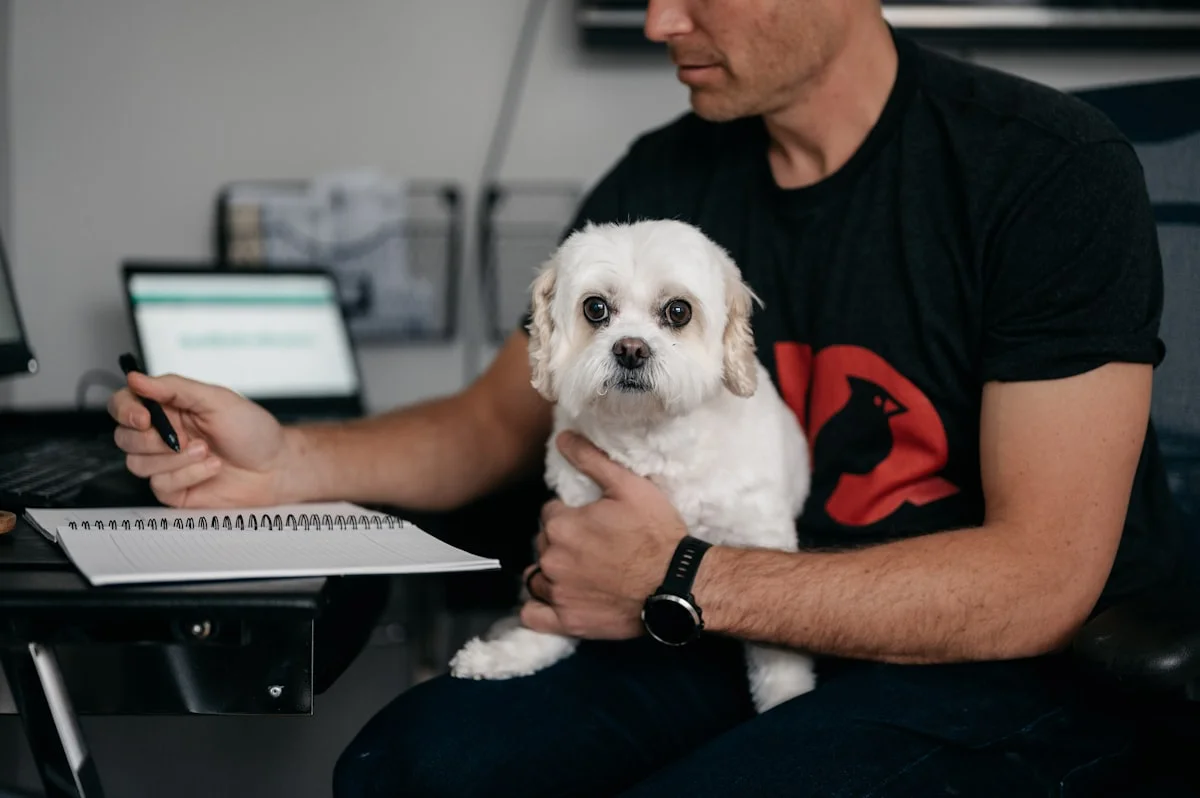
Your pet's medical history determines what gets flagged as pre-existing
Four Categories of Pre-Existing Conditions
How Look-Back Periods Work
When you apply for pet insurance, the provider reviews your pet's medical history going back a certain period — typically 12 months. This is called the look-back period. Any condition that was treated or showed symptoms during that window gets flagged as potentially pre-existing.
Most providers use a 12-month look-back period. Spot Pet Insurance is notably shorter at around 6 months. If your pet had an ear infection eight months ago and you are signing up with a provider that has a 12-month look-back, that infection could be classified as pre-existing. With Spot's 6-month look-back, that same infection would be outside the window and would not be flagged.
The look-back period is one of the most important factors to compare when your pet has a health history. A shorter look-back period means fewer conditions fall within the review window. A longer one means more conditions might be excluded.
What Triggers a Pre-Existing Flag
- •Any diagnosis in your pet's veterinary records within the look-back period
- •Symptoms described during a vet visit, even if no formal diagnosis was made
- •Medications prescribed for a condition within that window
- •Conditions noted during routine checkups that the vet flagged for monitoring

Regular vet visits create records that insurers review during enrollment
Curable vs. Incurable Conditions
This distinction matters. Some conditions can be fully resolved and, after a period of being symptom-free, may no longer be treated as pre-existing. Others require ongoing management and are permanently excluded.
Curable Conditions
These are health issues that can be fully treated and resolved, with the pet remaining symptom-free for a specified period. Most providers require 12 months symptom-free before reconsidering.
Ear infections
If fully resolved and symptom-free for 12 months, some providers will cover future occurrences
Urinary tract infections
After successful treatment and 12 months symptom-free, may be reconsidered
Broken bones that healed cleanly
After full recovery with no ongoing complications, may not be excluded
Note: Healthy Paws explicitly states that cured conditions symptom-free for 12 months may be considered for re-enrollment.
Incurable Conditions
These require ongoing management, monitoring, or treatment and are permanently excluded from coverage. They do not qualify for re-enrollment consideration.
Diabetes
Requires lifelong insulin and monitoring — permanently excluded
Chronic arthritis
Ongoing condition requiring management — permanently excluded
Hip dysplasia
Congenital joint condition — permanently excluded in most cases
Note: Even for incurable conditions, you can still get coverage for new illnesses and accidents. Your pet is not uninsurable — certain conditions are just excluded.
How Providers Handle Pre-Existing Conditions
Every provider excludes pre-existing conditions, but their policies differ in look-back period length, curable condition flexibility, and re-enrollment options. Here is how the major providers compare.
Healthy Paws
StrictNo pre-existing coverage. Conditions cured and symptom-free for 12 months may qualify for re-enrollment.
Embrace
ModerateUses 12-month look-back period. Offers Healthy Pet Deductible for pets with ongoing conditions to reduce costs.
Lemonade
StrictNo pre-existing coverage. Any condition diagnosed or showing clinical signs before start date is excluded.
Trupanion
StrictStrict pre-existing condition policy. 30-day money-back guarantee allows cancellation if pet history is problematic.
Spot
ModerateShorter look-back period than most. One of the more favorable options for pets with health history.
ASPCA
ModerateMay cover some curable conditions after symptom-free period. Check specific policy details.
Odie
StrictNo pre-existing coverage. Uses an 18-month look-back period, longer than the 12-month industry standard. New illnesses and accidents remain covered.
Provider Recommendation
For pets with a health history, Spot Pet Insurance stands out for its 6-month look-back period — notably shorter than the 12-month industry standard. If your pet had conditions treated more than 6 months ago but less than 12 months ago, Spot could be the difference between those conditions being excluded or covered. Healthy Paws and Embrace are also worth considering for their curable condition re-enrollment policies.
Pre-Existing Condition Coverage by Scenario
Here is how coverage typically plays out for common situations. The exact outcome depends on your provider, look-back period, and the specific circumstances.
| Scenario | Typical Coverage Outcome |
|---|---|
New injury with no prior history | Covered after accident waiting period (typically 1-5 days) |
Ear infection 2+ years ago, fully resolved | Usually covered — outside most look-back windows |
Ongoing diabetes treatment | Pre-existing — not covered, requires ongoing management |
Hip dysplasia diagnosed before enrollment | Pre-existing — not covered, often excluded permanently |
Skin allergies that come and go | May be considered pre-existing depending on timing |
Dental disease before enrollment | Usually excluded for 6-12 months after enrollment |
Tips for Pets with Health History
Enroll your pet as early as possible — ideally while they are young and healthy, before conditions pile up
Get a complete veterinary records review before applying so you understand what might be flagged during the look-back period
Look for providers with shorter look-back periods — Spot at 6 months is notably shorter than the 12-month industry standard
Consider accident-only coverage if illness pre-existing conditions are a concern — it is cheaper and covers new injuries
Ask about curable condition clauses — some providers will cover previously pre-existing conditions after a symptom-free period
Some breed-specific conditions may be waived after a waiting period — read the policy carefully and ask your vet

Get Covered Before Conditions Pile Up
The best time to enroll is when your pet is young and healthy. Every month you wait is another month of potential conditions that could become pre-existing.
Frequently Asked Questions
Does pet insurance cover pre-existing conditions?
No. Pre-existing conditions are excluded from coverage by every major pet insurance provider. This means any illness, injury, or health issue that occurred or showed symptoms before your coverage start date will not be covered, regardless of which provider you choose. The younger and healthier your pet when you enroll, the fewer potential pre-existing conditions you will face down the road.
What is a look-back period in pet insurance?
A look-back period is the window of time before enrollment during which an insurer reviews your pet's medical history. Most providers look back 12 months — some as few as 6 months. If your pet received treatment or showed symptoms of a condition during that window, that condition may be classified as pre-existing. Understanding look-back periods helps you choose a provider whose policy aligns with your pet's health history.
What is the difference between curable and incurable pre-existing conditions?
Curable conditions are health issues that can be fully resolved with treatment and remain symptom-free for a specified period — typically 12 months. Once your pet is symptom-free for that long, some providers may re-enroll your pet and cover the condition going forward. Incurable conditions — like diabetes or chronic arthritis — require ongoing management and are permanently excluded from coverage.
Which pet insurance providers have the shortest look-back period?
Spot Pet Insurance offers one of the shortest look-back periods at around 6 months, which means conditions treated or showing symptoms in the 6 months before enrollment are pre-existing. Most other major providers, including Healthy Paws, Embrace, and Lemonade, use a 12-month look-back period. If your pet has a health history, a shorter look-back period may work in your favor.
Can I get pet insurance if my pet already has a health condition?
Yes, but the pre-existing condition will be excluded from coverage. You can still enroll your pet and get coverage for new conditions that develop after your enrollment date. This is why many vets and pet insurance advisors recommend enrolling pets when they are young and healthy — before pre-existing conditions accumulate. Even if your pet has a condition now, you can still protect them against future illnesses and accidents.
What counts as a pre-existing condition in pet insurance?
A pre-existing condition is any illness, injury, or health issue that occurred or showed symptoms before your pet's coverage start date or during the waiting period. This includes previous injuries that healed before enrollment, chronic illnesses like diabetes or thyroid issues, congenital conditions like hip dysplasia present at adoption, and dental disease diagnosed before coverage. Essentially, if it was in your pet's medical records before you enrolled, it is likely a pre-existing condition.
How can I reduce out-of-pocket costs if my pet has a pre-existing condition?
Even with pre-existing conditions excluded, you have options. Accident-only coverage is typically cheaper and will cover new injuries. Some providers, like Embrace, offer a Healthy Pet Deductible that reduces your deductible for ongoing conditions. Comparing providers carefully matters — look for the shortest look-back period, check whether they cover curable conditions after a symptom-free period, and consider providers with direct vet pay so you do not pay out of pocket.
Will pet insurance cover my pet if they need emergency surgery for an injury that happened after enrollment?
Yes, assuming the injury occurred after your coverage start date and after any accident waiting period has passed. If your pet breaks a leg, gets bitten by a snake, or needs emergency surgery for an accident that happens after enrollment, standard accident coverage applies. Pre-existing conditions only exclude coverage for conditions that existed before enrollment — new accidents and injuries that occur after coverage starts are covered under accident policies.
Compare Pre-Existing Condition Policies
Get quotes and compare how different providers handle pre-existing conditions. The right provider for your pet depends on their health history.
Advertising Disclosure: We may earn a commission when you click links in this widget and purchase a policy. This comes at no additional cost to you and supports our editorial process. Learn more about how we earn money.
Loading pet insurance quotes...
Advertising Disclosure: CheckItAll.net is an independent comparison site. We may receive compensation when you click links or sign up with partners featured on our site. This compensation may affect how and where products appear on this site. Our opinions are our own. Read our full disclosure.