Pet Insurance for Older Dogs
Most dogs enter senior status around age 7. That is when premiums climb, pre-existing condition exclusions pile up, and the risk of expensive health problems rises fast. The good news: insurance for older dogs exists if you know where to look and how to avoid the traps.
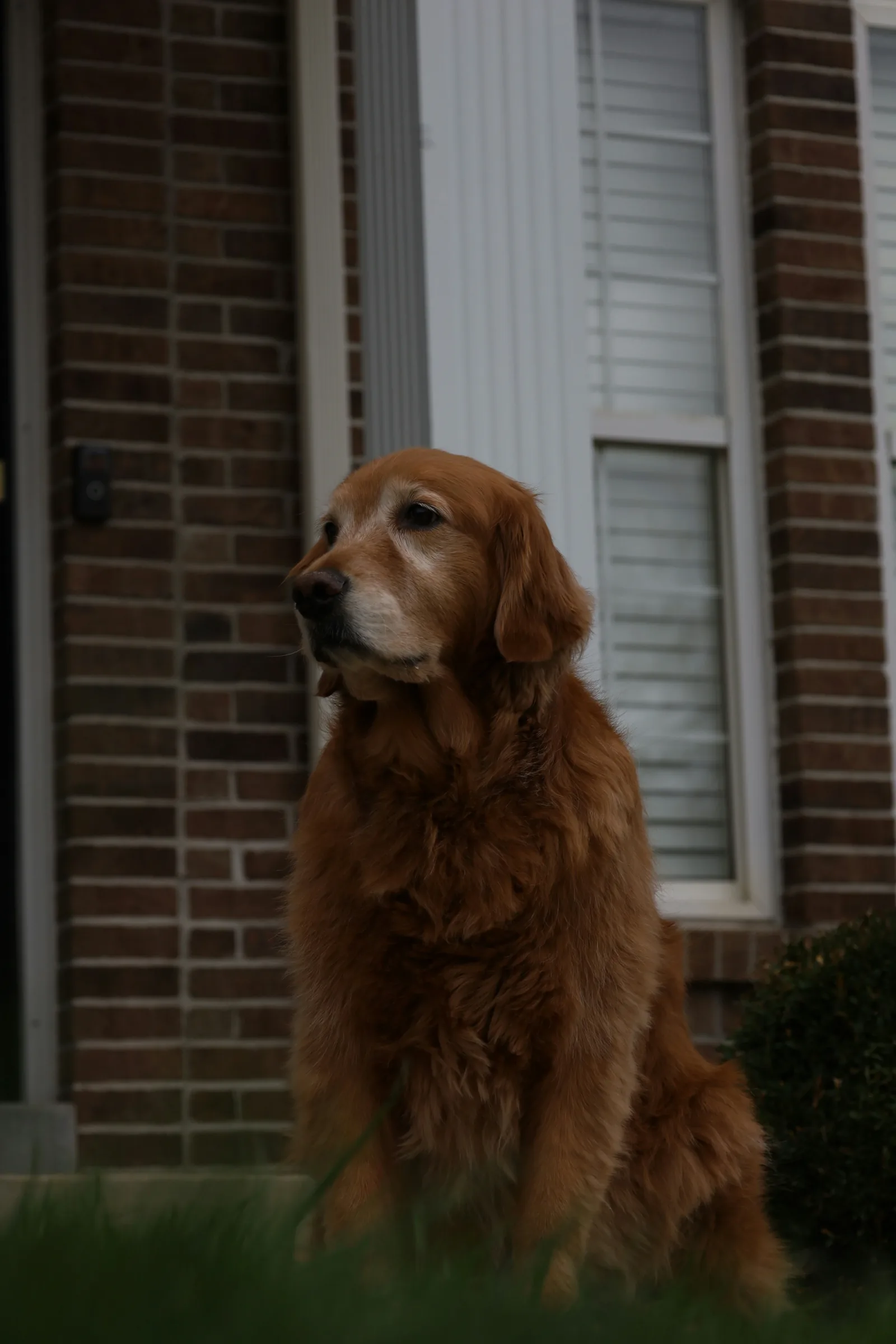
Senior Age
7 years
when most dogs qualify
Avg. Cost
$109/mo
for senior dogs
Cancer Risk
50% of dogs over 10 develop cancer (AVMA)
Source: American Veterinary Medical Association
Why Pet Insurance Matters More for Senior Dogs
When a dog hits 7 or 8, things change fast. The American Veterinary Medical Association estimates 50% of dogs over 10 will face cancer. Arthritis sets in for many large breeds before age 8. Organ function declines. The kind of thing that used to be a $200 vet visit becomes a $2,000 stay.
This is why the math on pet insurance shifts when your dog ages. For a 2-year-old, you might pay $35 a month and rarely use it. For a 10-year-old, premiums run $75 to $150 a month, but cancer treatment can hit $4,000 to $10,000. One major health event and the insurance pays for itself several times over.
"The question is not whether your senior dog will face health issues. It is whether you can cover the bill when they do."
The catch is the pre-existing condition rule. Any health problem your dog showed signs of before you enrolled will be excluded from coverage. This is not a loophole or a trick — it is the standard practice across the industry. Which means the best time to buy insurance was yesterday. The second-best time is right now, while your dog is still young enough that their current health picture is clean.
For dogs already in their senior years, insurance is still worth having for new conditions that arise after enrollment. But you will face higher premiums and more exclusions. That is the reality of insuring an older pet, and it is why most vets and insurers recommend signing up when your dog is still a puppy.

Senior dogs can still live active lives with proper care and预防 coverage
How Pet Insurance Costs Climb with Age
Prices based on comprehensive coverage, $5,000 annual limit, 80% reimbursement, $500 deductible
| Pet Age | Dog Monthly | Cat Monthly | Notes |
|---|---|---|---|
| 2 years | $35/mo | $18/mo | Baseline pricing |
| 5 years | $52/mo | $26/mo | Premium increases begin |
| 7 years | $65/mo | $38/mo | Most dogs enter senior status |
| 10 years | $95/mo | $55/mo | Premium nearly triples |
| 14 years | $135/mo | $75/mo | Very few providers accept new pets |
Prices are estimates based on national averages and may vary by breed, location, and provider. Premiums typically increase 71% by age 7, 115% by age 9, and can reach 180% or more by age 12. The exact increase depends on your dogs breed, size, and health history.
71% Increase at Age 7
Most providers start charging senior premiums when your dog hits 7. This is the biggest single jump in premium pricing.
+115% at Age 9
By age 9, most dogs are well into their senior years. Premiums reflect the higher risk of cancer, organ disease, and chronic illness.
Fewer Options After 10
Most providers stop accepting new dogs after age 10 to 14. Healthy Paws is notable for having no upper age limit for enrollment.
Common Senior Dog Health Issues
These are the conditions that send senior dogs to the vet most often. Understanding what each costs to treat helps you decide how much coverage you need.
Cancer
$4,341 to $10,000+Covered under comprehensive plans
Leading cause of death in dogs over 10 (AVMA)
Arthritis
$500 to $3,000/yearCovered under illness
1 in 5 dogs over 8 experience mobility issues
Organ Disease
$2,000 to $8,000+Covered under comprehensive
Kidney, liver, and heart disease common in senior years
Diabetes
$500 to $2,000/monthCovered with ongoing treatment
Requires ongoing insulin and monitoring
Cognitive Decline
VariesLimited coverage
Not typically covered as a stand-alone condition
Vision/Hearing Loss
VariesLimited coverage
Usually considered pre-existing if detected before enrollment
Hip Dysplasia
$2,000 to $5,000+May be pre-existing
More common in large breeds, often develops with age
Heart Disease
$1,500 to $6,000+Covered under illness
Regular medication often required
Cancer is the big one. The American Veterinary Medical Association estimates 50% of dogs over 10 develop some form of cancer. Treatment costs range from $4,341 for a single surgery up to $10,000 or more for comprehensive cancer care including chemotherapy. This is why comprehensive coverage matters so much for senior dogs.
Best Pet Insurance Providers for Senior Dogs
We evaluated providers on senior dog coverage, age limits, premium pricing, and customer reviews.
No upper limit
14 years
14 years
14 years
14 years
No upper limit
Healthy Paws and Odie stand out for owners of older dogs because they have no upper age limit for enrollment. If your dog is 10, 12, or even older, they can still get coverage. The tradeoff is that pre-existing conditions are not covered, as with any provider.
For dogs still young enough, Embrace and Lemonade offer good coverage with more affordable premiums. Trupanion is worth a look if you value direct vet pay and high customer satisfaction ratings. Get quotes from at least three providers before committing.
Get Pet Insurance Quotes for Your Senior Dog
Enter your pets details and compare quotes from providers that cover older dogs.
Advertising Disclosure: We may earn a commission when you click links in this widget and purchase a policy. This comes at no additional cost to you and supports our editorial process. Learn more about how we earn money.
Loading pet insurance quotes...
What Pet Insurance Covers for Senior Dogs
Accident-Only Plans
Covers injuries: broken bones, torn ligaments, swallowing foreign objects, car accidents. Does not cover illness, cancer, or chronic conditions. Costs less but skips the health problems senior dogs face most.
Comprehensive Plans
Adds illness coverage: cancer, infections, arthritis, organ disease, diabetes, allergies. This is what most owners of senior dogs end up wanting since cancer and chronic illness are the biggest financial risks.
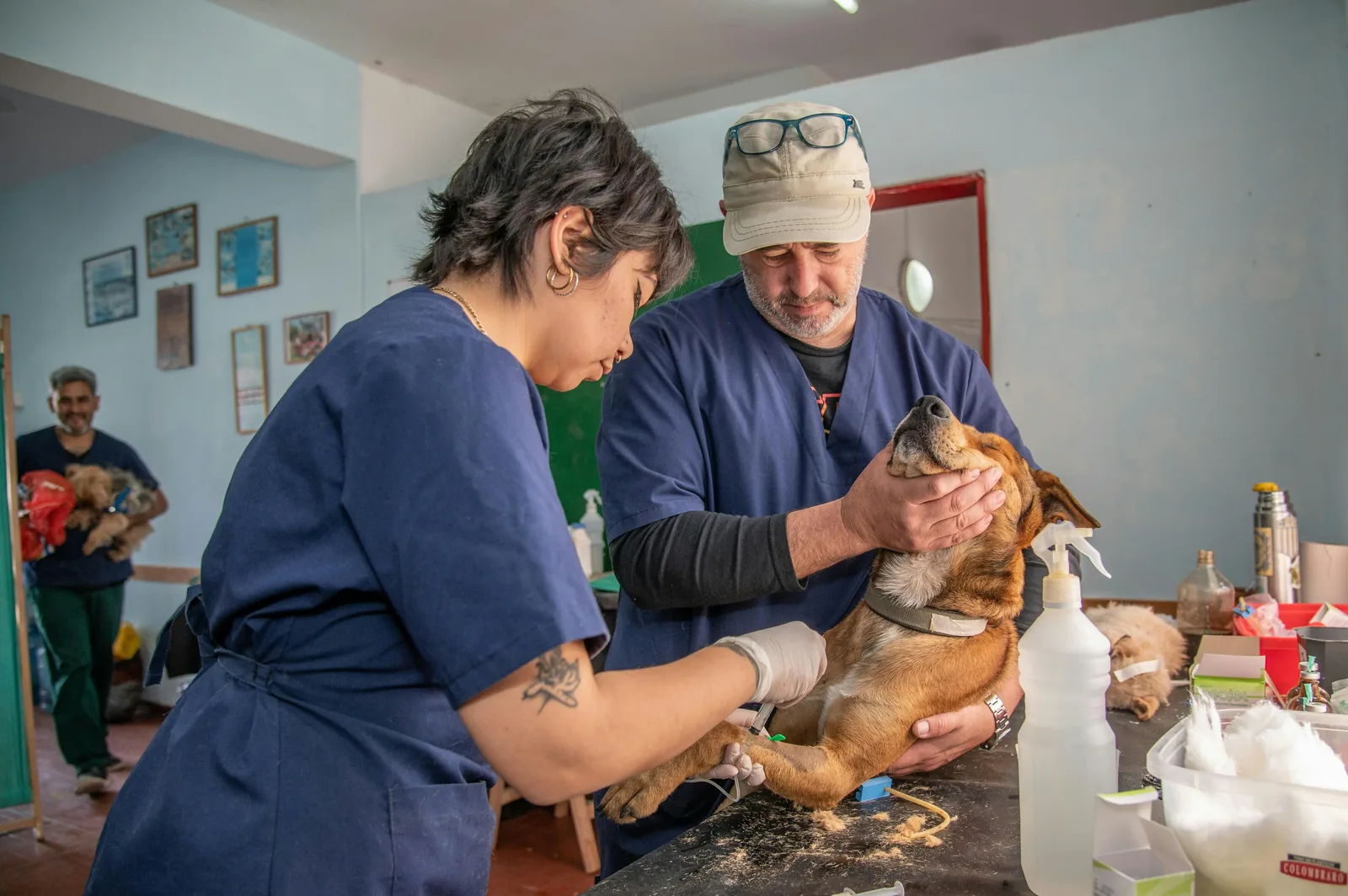
Regular vet visits matter
Senior dogs benefit from checkups every 6 months
Early detection of health issues leads to better outcomes and lower treatment costs
Key Coverage Details for Senior Dogs
How do waiting periods work for older dogs?
Standard waiting periods are 2 to 15 days for accidents and 14 to 30 days for illnesses. Some providers extend orthopedic waiting periods for dogs over a certain age, sometimes to 6 or 12 months. If your dog needs surgery or treatment soon after enrollment, check the waiting period carefully before assuming you are covered.
What counts as a pre-existing condition?
Any illness or injury your dog showed symptoms of, was diagnosed with, or received treatment for before enrollment is typically excluded. This includes conditions your vet may have noted in previous visits. Get your dogs complete medical records reviewed before enrolling.
Does pet insurance cover arthritis in older dogs?
Arthritis is covered under comprehensive plans as an illness. Treatment costs $500 to $3,000 per year depending on severity. Pain management, joint supplements, physical therapy, and surgery for severe cases are all covered under most comprehensive plans.
Is cancer treatment covered for senior dogs?
Yes, cancer is covered under comprehensive plans for senior dogs. Treatment costs $4,341 to $10,000 or more depending on the type of cancer and treatment plan. Surgery, chemotherapy, radiation, and palliative care are typically covered. Some providers have specific cancer treatment limits, so check the policy details.
Tips for Insuring Older Dogs
- 1
Enroll while they are still young
The younger and healthier your dog when you enroll, the fewer pre-existing conditions will exclude later. This is the single most important thing you can do.
- 2
Read the pre-existing condition clause carefully
Most providers exclude conditions your dog showed symptoms of before enrollment. Get your dogs full medical records reviewed before signing up.
- 3
Consider a higher deductible to lower monthly premiums
If your dog is already older and relatively healthy, a $500 or $1,000 deductible can significantly reduce what you pay each month.
- 4
Look for providers with no upper age limit
Healthy Paws is the main national provider that does not cap enrollment age. If you have an older dog, this matters more than a few dollars difference in monthly premium.
- 5
Compare annual limits carefully
Senior dogs often need more veterinary care. A $5,000 annual limit might sound high but cancer treatment alone can exceed that. Consider unlimited annual limit plans.
Pet Insurance for Older Dogs FAQs
Is pet insurance worth it for older dogs?
At what age is a dog considered a senior?
Which pet insurance providers cover dogs over 10 years old?
How much does pet insurance cost for a 10-year-old dog?
What does pet insurance not cover for older dogs?
What are the most common health issues in senior dogs?
Are waiting periods longer for older dogs?
Should I get accident-only or comprehensive coverage for my older dog?
Related Pet Insurance Guides
Our Review Methodology
We compare pet insurance providers based on price transparency, coverage breadth, customer reviews, and claims reimbursement speed. Our recommendations are based on research and analysis, not payment. When a provider pays us a commission, it does not affect our rankings.
We reviewed provider data from the American Veterinary Medical Association (AVMA) and cross-referenced with industry research from Forbes Advisor and MoneyGeek. Average cost data comes from our ongoing analysis of pet insurance marketplace rates.
Last updated: June 2026
Advertising Disclosure: CheckItAll.net is an independent comparison site. We may receive compensation when you click links or sign up with partners featured on our site. This compensation may affect how and where products appear on this site. Our opinions are our own. Read our full disclosure.