Pet Insurance in Kentucky
Kentucky is horse country, tornado alley, and humid enough that mosquitoes stay active from April through October. That combination creates some specific risks for pet owners here — tornado injuries, heartworm disease, tick-borne illnesses. Emergency vet care in the state runs $1,200 to $3,500 for an overnight stay. Surgery can hit $5,500 or more.

Avg. Cat Cost
$17
per month
Avg. Dog Cost
$32
per month
Emergency Vet Stay
$$1,200 – $$3,500
Typical overnight cost in KY
Why Pet Insurance Matters in Kentucky
Kentucky has a few problems that show up more often here than in other states. Mosquito season stretches from April through October — longer than most places north of here. That extended mosquito season means heartworm disease is a genuine risk, not a theoretical one. Treatment runs $1,000 to $2,000 or more depending on how advanced the infection is.
Tornadoes are another one. Kentucky sits in Dixie Alley, and the state ranks 8th nationally in tornado incidents. If you live in Western or Central Kentucky — Louisville, Owensboro, Bowling Green — tornado season (March through June) is something you plan for. Debris injuries, broken bones, smoke inhalation from storm-related fires — accident coverage handles these.
Eastern Kentucky has a different problem: fewer veterinary specialists. If your pet needs specialty care — oncology, orthopedics, advanced imaging — you might end up traveling to Louisville or Lexington. Those referral trips add up, and they often come with higher price tags at specialty centers.
"The question isn't whether something will happen. It's whether you're ready to handle the bill when it does."
Emergency vet care in Kentucky typically runs $1,200 to $3,500 for an overnight stay. Surgery lands somewhere between $3,000 and $5,500. Cancer treatment at a specialty center can push well past $10,000. Without insurance, you're covering all of it yourself.
One thing that works in Kentucky's favor: vet costs here are generally lower than in major metro areas. But that's relative. A $5,000 surgery still costs $5,000, and most people don't have that sitting in a drawer.
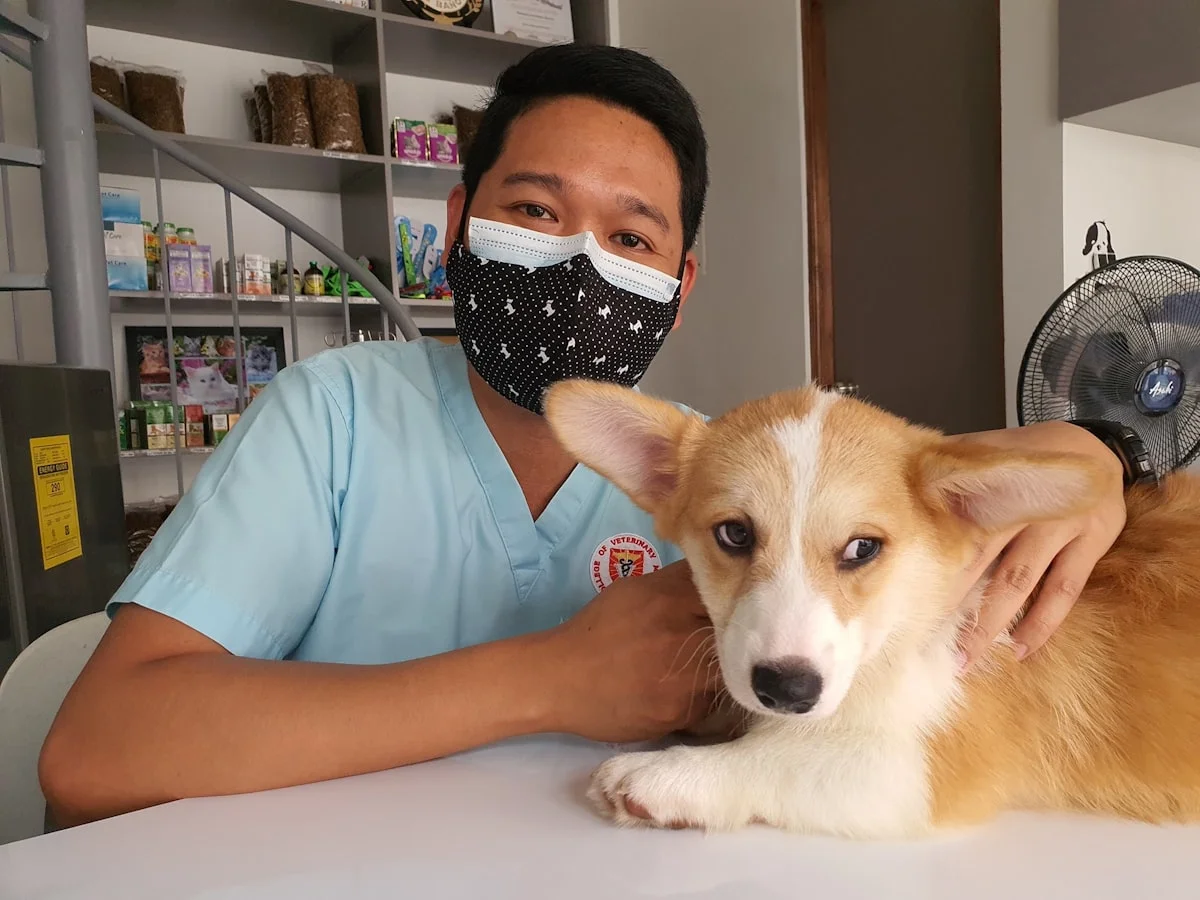
Kentucky vet costs are real — be prepared
How Much Does Pet Insurance Cost in Kentucky?
Prices based on $5,000 annual limit, 80% reimbursement, $500 deductible
Louisville
Pop. 620K
Dogs
$35
Annual
$420
Lexington
Pop. 500K
Dogs
$34
Annual
$408
Bowling Green
Pop. 125K
Dogs
$30
Annual
$360
Owensboro
Pop. 115K
Dogs
$28
Annual
$336
Covington
Pop. 40K
Dogs
$32
Annual
$384
Average Costs by Age
| Pet Age | Cat Monthly | Dog Monthly |
|---|---|---|
| 6 months | $14/mo | $26/mo |
| 5 years | $18/mo | $34/mo |
| 10 years | $52/mo | $98/mo |
Prices climb fast as pets age. A 10-year-old dog often costs three to four times what a 6-month-old puppy does. This is why vets and insurers recommend signing up when your pet is young — before pre-existing conditions pile up and exclusions become a problem.
Sample Breed Prices (Kentucky Average)
Labrador Retriever
$28–$36
6-month-old, Kentucky average
Beagle
$22–$28
6-month-old, Kentucky average
Coonhound
$24–$32
6-month-old, Kentucky average
Chihuahua
$18–$22
6-month-old, Kentucky average
Labradors and Beagles are common in Kentucky — Labs are popular family dogs statewide, and Beagles are popular in rural areas for hunting and farm work. Coonhounds are particularly Kentucky-specific — the Treeing Walker Coonhound is the state dog. Get a breed-specific quote to see what your dog would cost.
Best Pet Insurance Providers in Kentucky
We evaluated providers on price, coverage options, reimbursement speed, and Kentucky-specific customer reviews.
| Provider | Rating | Monthly Cost | Deductible | Best For | |
|---|---|---|---|---|---|
Lemonade | 4.5/5 | $20 - $60 | 100, 250, 500 | Budget-conscious pet owners | Visit |
Healthy Paws | 4.8/5 | $30 - $80 | 100, 250, 500 | Comprehensive coverage | Visit |
Embrace | 4.3/5 | $25 - $70 | 200, 300, 500 | Customizable coverage | Visit |
Trupanion | 4.2/5 | $35 - $90 | 250, 500, 750 | Maximum reimbursement | Visit |
Advertising Disclosure: CheckItAll.net is an independent comparison site. We may receive compensation when you click links or sign up with partners featured on our site. This compensation may affect how and where products appear on this site. Our opinions are our own. Read our full disclosure.
For most Kentucky pet owners, Healthy Paws or Embrace are worth comparing. Healthy Paws has a strong reputation for fast claims and no caps on payouts. Embrace offers comprehensive coverage with optional wellness add-ons. Lemonade tends to have lower prices if your pet is young and healthy. Get quotes from at least three providers — prices vary enough that comparison shopping usually pays off.
Get Your Pet Insurance Quotes
Enter your pet's details and compare quotes from top providers serving Kentucky.
Advertising Disclosure: We may earn a commission when you click links in this widget and purchase a policy. This comes at no additional cost to you and supports our editorial process. Learn more about how we earn money.
Loading pet insurance quotes...
What Does Pet Insurance Cover in Kentucky?
Accident-Only Plans
Covers injuries — broken bones, bite wounds, snake bites, car accidents, tornado-related injuries. They cost less but skip illness coverage entirely.
Comprehensive Plans
Adds illness coverage — infections, cancer, heartworm disease, Lyme disease, tick-borne illness, allergies. Most Kentucky pet owners end up wanting this level.

Kentucky Pet Owners
38% of households have a pet
Make sure yours is protected year-round
Kentucky-Specific Coverage Questions
Does pet insurance cover tornado injuries in Kentucky?
If your pet gets hurt during a tornado — debris injuries, broken bones, smoke inhalation — accident coverage handles it. Kentucky sits in Dixie Alley, and tornado season runs March through June. Western and Central Kentucky see the most activity. If you live in these areas, accident coverage is worth prioritizing.
What about heartworm treatment in Kentucky's humid climate?
Most comprehensive plans cover heartworm treatment. Kentucky's warm, wet climate means mosquito season lasts longer here than in northern states — April through October is typical. Heartworm disease is progressive and expensive to treat ($1,000 to $2,000+), making prevention coverage a smart investment for Kentucky pet owners.
Does it cover tick-borne diseases?
Lyme disease, ehrlichiosis, and anaplasmosis fall under most comprehensive plans' illness coverage. Ticks are active year-round in Kentucky's climate. If your dog picks up Lyme or another tick-borne illness, diagnostic tests and treatment are typically covered.
What's not covered by pet insurance in Kentucky?
Pre-existing conditions, breeding costs, cosmetic procedures, and most wellness care unless you add a separate wellness rider. Dental disease coverage varies by provider. War or nuclear events are standard exclusions. Read any policy carefully before signing — coverage details differ more between providers than the marketing suggests.
Waiting Periods
Every insurer has a waiting period before coverage kicks in. Usually 2 to 14 days for accidents, 14 to 30 days for illnesses. A few providers offer zero-day waiting periods for accidents, but illness waiting periods almost never go below 14 days.
Pre-Existing Conditions
Any illness or injury your pet showed symptoms of before coverage started is typically excluded. Most providers won't cover it, regardless of how much you pay.
Enroll your pet early — while they're young and healthy, before anything comes up. If you wait until your dog is limping or your cat is coughing, that condition may be excluded permanently.
How to Choose the Right Pet Insurance in Kentucky
- 1
Factor in Kentucky's tornado risk
Western and Central KY are in Dixie Alley. If you're in Louisville, Owensboro, or Bowling Green, accident coverage matters for storm-related injuries.
- 2
Think about heartworm coverage
Mosquito season runs April to October in Kentucky. Heartworm treatment is expensive — make sure your plan covers it.
- 3
Know your city costs
Louisville and Lexington run $2-5 more per month than smaller cities. Where you live affects what you'll pay.
- 4
Consider Eastern Kentucky access
If you're in Eastern Kentucky, specialty vets are farther away. That might mean referrals to Louisville or Lexington — plan for that cost.
- 5
Get at least three quotes
Prices vary enough between providers that comparison shopping usually saves you money.
Kentucky-Specific Factors to Consider
Humid climate increases heartworm risk
Coal country wildlife considerations
Affordable veterinary care in most areas
Pet Insurance Regulations in Kentucky
Kentucky Department of Insurance oversees pet insurance. Minimal specific regulation.
Kentucky's Department of Insurance provides oversight. The state doesn't have dedicated pet insurance legislation on the books, but general consumer protection laws apply. You can file complaints with the Kentucky Department of Insurance if you have a dispute with a provider.
Frequently Asked Questions
How much does pet insurance cost in Kentucky?
Is pet insurance worth it in Kentucky?
Does Kentucky pet insurance cover tornado-related injuries?
Does pet insurance cover heartworm treatment in Kentucky?
What makes Kentucky different for pet insurance?
Can I use Kentucky pet insurance at any vet?
Does Kentucky regulate pet insurance?
Are pre-existing conditions covered in Kentucky?
Pet Insurance in Other States
Our Review Methodology
We compare pet insurance providers based on price transparency, coverage breadth, customer reviews, claims reimbursement speed, and Kentucky-specific availability. Our recommendations are based on research and analysis — not payment. When a provider pays us a commission, it does not affect our rankings.
Last updated: April 2026
Advertising Disclosure: CheckItAll.net is an independent comparison site. We may receive compensation when you click links or sign up with partners featured on our site. This compensation may affect how and where products appear on this site. Our opinions are our own. Read our full disclosure.