Pet Insurance in West Virginia
West Virginia pet owners pay about $34/month for dogs and $18/month for cats on average. Charleston and Huntington track that closely. The catch: tick-borne diseases like Lyme are prevalent across the Appalachian region, copperhead and timber rattlesnake bites are a real risk in wooded areas, and in much of rural West Virginia the nearest emergency vet is an hour or more away. If your pet needs care fast and there is no local option, the bills — and the transport — add up quickly.

Avg. Cat Cost
$18
per month
Avg. Dog Cost
$34
per month
Charleston Emergency Vet Hospitalization
$500-$1,500
Average hospitalization cost, surgery can reach $3,000+
Why Pet Insurance Matters in West Virginia
West Virginia is one of the most mountainous states in the country, and that geography shapes daily life — including the risks your pet faces. From the Appalachian ridges to the Ohio River valleys, pets here encounter hazards that pet owners in flat states simply do not think about.
Tick-borne diseases are the one most people miss. West Virginia sits in the heart of the Appalachian region where Lyme disease, Ehrlichia, and Anaplasma are all present at rates that would surprise most people. The warm, humid summers keep ticks active much of the year. These are not exotic risks found only in remote wilderness — they show up in backyards, on trails near towns, and in suburban green spaces. Treatment costs can run into the thousands, and comprehensive pet insurance that covers illness means you are covered if your dog picks something up on a weekend hike.
Snake bites are another one that sneaks up on people. Copperhead snakes are common throughout West Virginia, and timber rattlesnakes are also present in the Appalachian regions. A dog or cat bitten by a venomous snake faces a $2,500 to $10,000 vet bill. In rural West Virginia, the nearest vet capable of treating venomous bites may be an hour or more away — and that delay matters.
“The question is not whether something will happen. It is whether you can cover the bill when it does.”
The rural vet problem is the one that sets West Virginia apart from most states. Much of the state is genuinely rural — many counties lack a 24-hour emergency vet, and specialist care often requires travel to Charleston or beyond. When your pet has an emergency at 10pm on a Sunday in rural McDowell County, you may be driving two hours to the nearest capable vet. That delay can worsen outcomes. That transport costs money. Pet insurance that pays quickly — and covers transport — matters more in West Virginia than in states where the emergency vet is five minutes away.
West Virginia pet insurance premiums run below the national average, which makes this a good time to lock in coverage before costs rise or your pet develops a condition that ends up excluded from future coverage.

West Virginia's mountainous terrain creates distinct pet health challenges
How Much Does Affordable Pet Insurance Cost in West Virginia?
Prices based on $5,000 annual limit, 80% reimbursement, $500 deductible
Looking for cheap pet insurance West Virginia? These five cities represent the statewide market. Charleston and Huntington are the largest metros and offer the most provider options. Morgantown, home to WVU, tracks close to the state average with a slightly higher cost of living. Parkersburg and Wheeling in northern West Virginia also offer good vet access and competitive pricing.
Charleston
Pop. 50K
Dogs
$36
Annual
$432
Huntington
Pop. 46K
Dogs
$34
Annual
$408

Morgantown
Pop. 31K
Dogs
$36
Annual
$432
Parkersburg
Pop. 30K
Dogs
$32
Annual
$384
Wheeling
Pop. 27K
Dogs
$32
Annual
$384
Pet Insurance Costs by Age
| Pet Age | Cat Monthly | Dog Monthly |
|---|---|---|
| 6 months | $14/mo | $28/mo |
| 5 years | $22/mo | $40/mo |
| 10 years | $44/mo | $78/mo |
Prices climb as pets get older. A 10-year-old dog often costs two to three times what a 6-month-old puppy does. This is why most vets suggest signing up when your pet is young, before pre-existing conditions pile up and exclusions become a problem. In West Virginia, where tick-borne diseases, snake bites, and rural vet access are realistic concerns, getting coverage early matters even more.
West Virginia Cost Context
West Virginia pet insurance runs below the national average, which is a practical advantage for pet owners here. Charleston and Huntington prices track close to the state average since they are the largest metros. Morgantown has a slightly higher cost of living due to WVU but prices still track near the statewide average. The eastern panhandle area near DC-metro sometimes runs slightly higher due to proximity to that market.
The same comprehensive plan that might cost $50 or more in Northeast or West Coast states might run you $32 to $40 in West Virginia. That gap adds up over a year, and it is one practical reason West Virginia shows up well on lists of pet insurance value for Appalachian and Mid-Atlantic pet owners.
West Virginia Hazards for Pets
No competitor covers this well. West Virginia is one of the most mountainous states in the country, with a humid climate that keeps ticks active much of the year and a genuinely rural character that means emergency vet care is often far away. Here is what you need to know before you skip pet insurance.
Tick-Borne Illnesses
West Virginia sits in the heart of the Appalachian region where Lyme disease, Ehrlichia, and Anaplasma are all present at elevated rates. The warm, humid climate keeps ticks active much of the year. Treatment costs vary but can run into the thousands for serious cases. Comprehensive illness plans cover these as illness. Monthly tick prevention is the first line of defense.
Snake Bites
Copperhead and timber rattlesnake bites are among the most common venomous snake injuries for dogs and cats in West Virginia. Treatment costs $2,500 to $10,000 or more depending on severity and antivenin needs. In rural West Virginia, the nearest capable vet may be an hour or more away. Accident-only plans cover snake bites as injuries.
Rural Vet Access
Much of West Virginia is genuinely rural. Many counties lack 24-hour emergency vet care. The nearest specialist may be in Charleston or beyond. When your pet has an emergency at night in rural West Virginia, you may be driving an hour or more. Pet insurance that covers emergency transport and pays quickly matters more here than in urban states.
Black Bear Encounters
Black bears have expanded across West Virginia in recent decades. While most encounters result in the bear fleeing, surprised or cornered bears can attack, and small unsupervised pets are at some risk. Bear attacks resulting in injury would be covered as accidents under most standard pet insurance plans.
Mountain Terrain Injuries
West Virginia's mountainous terrain means trail injuries, falls, and ACL/MCL tears are realistic risks for active dogs. A dog that takes a wrong step on an Appalachian trail can face a $2,500 to $6,000 vet bill for orthopedic surgery. Comprehensive pet insurance that covers accident and illness means you can afford both the hike and the vet bill if something goes wrong.
Winter Hazards
West Virginia winters bring snow, ice, and cold that create hazards for pets. Antifreeze poisoning from car radiator leaks is a real danger — dogs will lick it off the ground and it is often fatal without quick treatment. Ice melt products can irritate paw pads. And prolonged cold exposure can lead to hypothermia. Comprehensive pet insurance that covers poisoning and illness means you are prepared for the season.
Top Pet Insurance Providers in West Virginia
| Provider | Rating | Monthly Cost | Deductible | Best For | |
|---|---|---|---|---|---|
Lemonade | 4.5/5 | $20 - $60 | 100, 250, 500 | Budget-conscious pet owners | Visit |
Healthy Paws | 4.8/5 | $30 - $80 | 100, 250, 500 | Comprehensive coverage | Visit |
Embrace | 4.3/5 | $25 - $70 | 200, 300, 500 | Customizable coverage | Visit |
Trupanion | 4.2/5 | $35 - $90 | 250, 500, 750 | Maximum reimbursement | Visit |
Advertising Disclosure: CheckItAll.net is an independent comparison site. We may receive compensation when you click links or sign up with partners featured on our site. This compensation may affect how and where products appear on this site. Our opinions are our own. Read our full disclosure.
West Virginia-Specific Coverage Questions
What about tick-borne diseases in West Virginia?
West Virginia has a genuine tick problem. The Appalachian climate keeps ticks active much of the year — in some parts of the state, tick season stretches well beyond what most pet owners expect. Lyme disease, Ehrlichia, and Anaplasma are all present, and West Virginia rates for these diseases are elevated compared to national averages. Treatment costs vary but can run into the thousands for serious cases. Comprehensive illness plans cover tick-borne diseases as illness. Accident-only plans exclude them. If your dog spends any time outdoors in West Virginia — which is most dogs in this state — this is not a coverage you want to skip.
Are snake bites a real concern for pets in West Virginia?
Yes. Copperhead snakes are common throughout West Virginia, and timber rattlesnakes are also present, particularly in the Appalachian regions. These snakes hide in woodpiles, forest floor leaves, hiking trails, and sometimes suburban green spaces. A dog or cat bitten by a venomous snake faces a $2,500 to $10,000 vet bill depending on severity, whether antivenin is needed, and how quickly you reach a vet. In rural West Virginia, the nearest emergency vet capable of treating venomous bites may be an hour or more away. Accident-only plans cover snake bites as injuries. Comprehensive plans also cover the bite and resulting complications.
What about rural vet access in West Virginia?
This is the issue most pet owners in West Virginia will eventually face, and it is one that urban pet owners rarely think about. Much of West Virginia is genuinely rural. Many counties do not have a 24-hour emergency vet. The nearest specialist may be in Charleston, Morgantown, or hours away. When your pet has an emergency at 11pm on a weekend in rural Wyoming County, you may be driving to Charleston or beyond. This matters for two reasons: first, transport costs add up; second, delay can worsen outcomes. If you live rurally in West Virginia, pet insurance that covers emergency transport — and that pays quickly — matters more here than in states with vet on every corner.
Do black bears pose a risk to pets in West Virginia?
Black bears have expanded across West Virginia in recent decades, and encounters with pets do happen — particularly in areas near forests, state parks, and the eastern panhandle. Most bear encounters result in the bear fleeing. However, a surprised or cornered bear can attack, and small pets left outside unsupervised are at some risk. A bear attack resulting in injury to your pet would be covered as an accident under most standard pet insurance plans. The more common issue is that bears can damage property and scare pets, leading to stress-related illness. Comprehensive coverage would help with the latter.
West Virginia-Specific Factors to Consider
- •Mountain terrain injury considerations
- •Wildlife encounters (snakes, bears)
- •Rural veterinary access challenges
Pet Insurance Regulations in West Virginia
West Virginia Insurance Commission oversees pet insurance. Minimal specific regulation.
The West Virginia Insurance Commission oversees pet insurance providers and ensures compliance with state insurance regulations. For West Virginia pet owners, this means national providers operate freely in the state with no unusually restrictive rules limiting coverage options or driving up premiums. The regulatory environment is considered business-friendly compared to some states, which means more provider options and competitive pricing for West Virginia pet owners.
Frequently Asked Questions about Pet Insurance in West Virginia
Is pet insurance worth it in West Virginia?
For most West Virginia pet owners, yes. Emergency vet visits can run $500 to $1,500 for hospitalization, and surgery can hit $3,000 or more. West Virginia-specific risks like tick-borne diseases, snake bites, and the genuine challenge of rural vet access make unexpected vet bills a realistic possibility for most pet owners in the state. If that would stretch your budget, insurance makes sense.
What does pet insurance typically cost in West Virginia?
Cats average $18/month in West Virginia. Dogs run about $34/month on average. That puts West Virginia below the national average. Prices vary by city — Charleston and Huntington track close to the state average, while smaller cities like Wheeling and Parkersburg sometimes come in slightly lower.
Does West Virginia regulate pet insurance?
Yes. The West Virginia Insurance Commission oversees pet insurance providers. The regulatory environment is considered business-friendly. Most national pet insurance providers operate freely in West Virginia with no unusually restrictive rules.
What emergency vets are available in West Virginia?
Charleston has the states best emergency vet infrastructure, including 24-hour options. Huntington also has emergency vets. For much of rural West Virginia — the southern coal fields, the eastern panhandle, the northern counties — the nearest emergency vet may be an hour or more away. This is a genuine consideration for West Virginia pet owners that urban-state pet owners rarely face. When comparing pet insurance plans, ask about emergency transport coverage.
Does pet insurance cover breed-specific conditions?
Most pet insurance plans cover hereditary and congenital conditions if they are not pre-existing and if the condition is not explicitly excluded. Some providers have breed-specific exclusions or waiting periods for certain conditions. When comparing plans, ask about breed-specific concerns for your dog or cat. A vet familiar with your breed can tell you what conditions to watch for in your particular breed mix.
What is the claims turnaround time in West Virginia?
Most pet insurance providers process claims within 2 to 3 weeks in West Virginia. Some providers like Trupanion can pay your vet directly at the time of visit, which means you do not have to pay out of pocket and wait for reimbursement. Given the rural vet access challenges in West Virginia, having direct vet pay options matters more here — you may not have $3,000 sitting ready to cover an emergency vet bill upfront while waiting for reimbursement.
Can I use any vet in West Virginia?
Most pet insurance plans in West Virginia work with any licensed vet — you are not restricted to a network. This means you can use your local vet in Charleston, Huntington, or any West Virginia city, as well as emergency vets anywhere in the state. Some providers offer discounts for using in-network vets, but the flexibility to see any vet is a standard benefit of most plans.
Is there a pet insurance waiting period in West Virginia?
Yes. All pet insurance plans have waiting periods — typically 1 to 14 days for illness coverage and 1 to 5 days for accidents. Some plans have longer waiting periods for specific conditions like hip dysplasia. If your pet needs immediate coverage for an existing condition, pet insurance is not the right tool — consider setting aside money in a dedicated pet savings account instead.
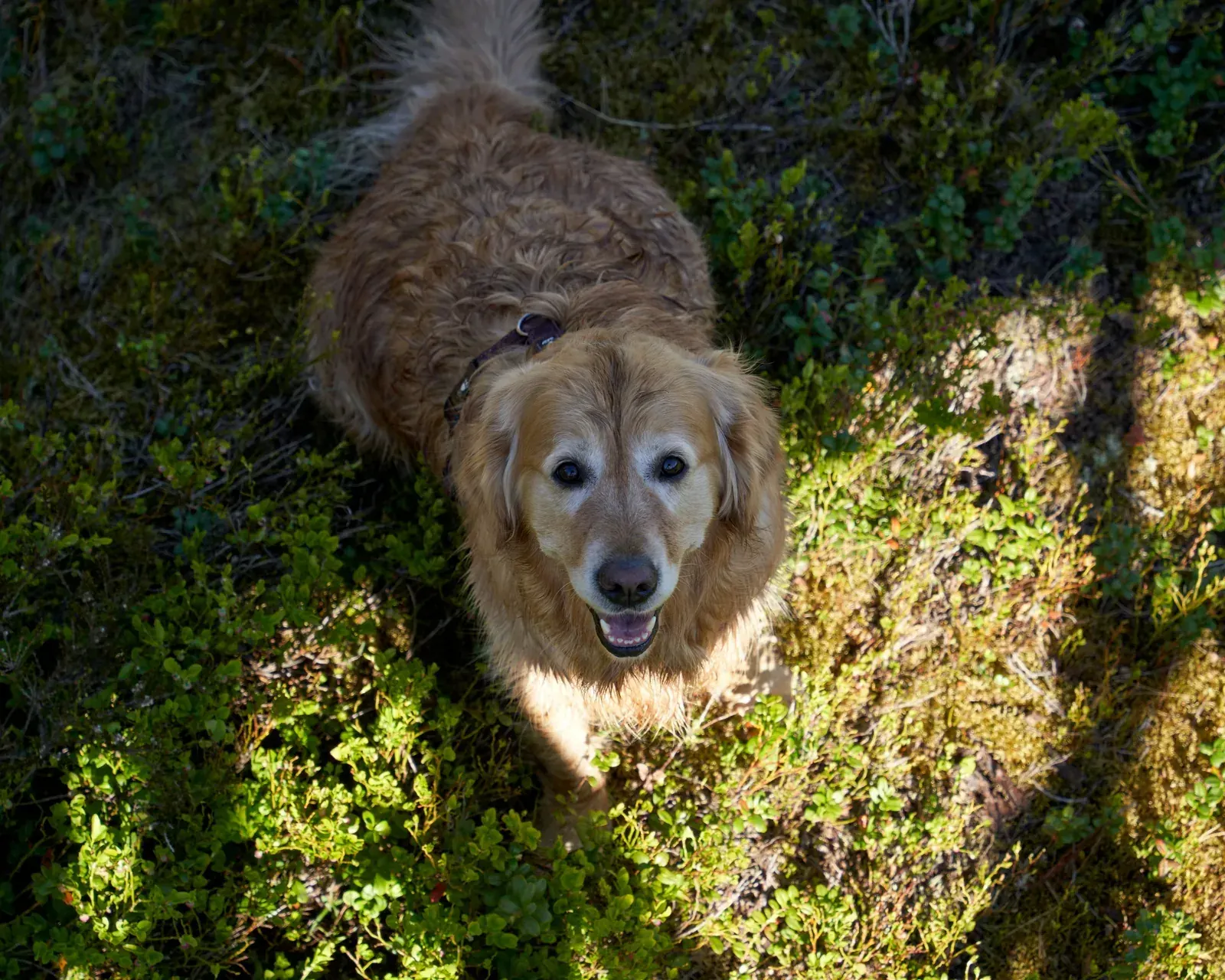
Protecting Your Pet in West Virginia
From Appalachian tick hazards to rural vet access, West Virginia pets face unique risks. Pet insurance gives you peace of mind.
Pet Insurance in Other States
Advertising Disclosure: CheckItAll.net is an independent comparison site. We may receive compensation when you click links or sign up with partners featured on our site. This compensation may affect how and where products appear on this site. Our opinions are our own. Read our full disclosure.