Pet Insurance for Beagles
Beagles are America's number-six breed — loyal, curious, and built for following their nose wherever it leads. That nose drives a lot of what makes them expensive to insure. They are prone to ear infections that keep coming back, epilepsy that requires lifelong medication, and a food obsession that leads to obesity. Then there is the long back — a dead giveaway for a scenthound — that puts them at risk for spinal disc problems. If you own a Beagle, the vet bills are not hypothetical.

Avg. Monthly Cost
$35
for Beagle-sized dogs
US Popularity
#6
most popular breed
Epilepsy Medication
$240-$390/month
Beagles are more prone than most breeds
Why Pet Insurance Matters for Beagles
Beagles have held a spot in America's top ten most popular breeds for decades. Their compact size, steady temperament, and unmatched nose make them excellent family dogs, detection dogs, and loyal companions. What that nose does not tell you is that Beagles come with a set of health challenges that other breeds avoid. If you own one, you need to know what you are signing up for at the vet.
Epilepsy is the big one most owners do not see coming. Beagles are more prone to seizure disorders than most breeds. The first seizure usually happens between ages 2 and 5. Once diagnosed, medication is for life — and that runs $240 to $390 per month. That is the kind of ongoing cost that makes insurance worth it for owners who would otherwise be choosing between monthly medication refills and other bills.
Their ears are the other constant expense. Those floppy hound ears that look so endearing trap moisture and restrict airflow, creating a warm, moist environment that yeast and bacteria love. Ear infections in Beagles are not a one-and-done problem — they tend to recur, especially in dogs with underlying allergies. Each episode can cost $100 to $4,400 depending on severity. Over a Beagle's 10 to 15 year lifespan, those vet visits add up fast.
"Beagles are not a cheap breed to own. Their health issues are real and recurring — ear infections that keep coming back, epilepsy that needs lifelong management, a nose that gets them into everything edible and some things that are not. Insurance will not change any of that, but it changes what you can do about it."
Then there is the obesity problem. Beagles were bred to follow scent trails for hours, which means they have an relentless drive to eat. Leave food out and a Beagle will find it, no matter how well you think you have hidden it. Their food obsession is not a character flaw — it is selective breeding at work. But it means Beagles are prone to obesity more than many other breeds, and obesity makes every other condition worse: it stresses the hips, aggravates the spine, and complicates ear infections.
Their long back is a dead giveaway for what they were bred to do. That same build — short legs, long spine — puts Beagles at moderate risk for intervertebral disc disease, the same condition that gives Dachshunds and French Bulldogs so many spinal problems. When a disc ruptures, surgery runs $3,000 to $8,000. Without prompt treatment, a Beagle with IVDD can lose mobility in its hind legs.

Beagles follow their nose — which can lead them into trouble
Beagle Health: What You Need to Know
Breed-specific health data from AKC and PetMD
Beagles face several breed-specific health challenges. Understanding these risks helps you make informed decisions about pet insurance coverage and preventive care for your Beagle.
Ear Infections
$100-$4,400
Very common
Floppy ears trap moisture, 50% of infections tied to allergies
Obesity
$500-$2,000+
Very common
Scent drive makes them relentless food foragers
Hip Dysplasia
$1,500-$6,000
Moderate
Elbow dysplasia also occurs in the breed
IVDD
$3,000-$8,000
Moderate
Long back puts them at risk for disc disease
Epilepsy
$240-$390/month medication
Higher than most breeds
Onset typically 2-5 years, manageable with meds
Hypothyroidism
$30-$50/month medication
Common
Daily medication required life-long
The Scent Drive Factor
Beagles were bred to follow scent trails for hours on end. That incredible nose is also their biggest management challenge as a pet. A Beagle that catches a scent will tune out everything else — including you — and go after it. This leads to accidental poisonings from ingesting things they should not, injuries from running into traffic while追踪 a smell, and obesity from eating whatever they can reach. Insuring your Beagle against the health consequences of that nose is not overkill.
Weight Management: A Real Challenge for Beagles
Beagles have a genetic predisposition to obesity that goes beyond simple calorie intake. Their ancestors were bred to work in packs, following scent trails for hours, with the stamina to go all day. That metabolism and drive to eat served a purpose in the field. In a modern home, it means a Beagle will eat whatever is available and always act hungry, even at a healthy weight. Studies show Beagles are consistently over-represented in obesity statistics. Managing your Beagle's weight through measured meals and regular exercise is critical — and it is harder than it sounds.
Excess weight in Beagles is not just about appearance. It accelerates hip dysplasia, puts stress on the long spine, worsens ear infections, and increases the risk of diabetes. If your Beagle becomes overweight and develops secondary health problems, treatment costs fall on you unless you have pet insurance.
What Pet Insurance Covers for Beagles
Comprehensive Illness Coverage
A comprehensive pet insurance plan that covers both accidents and illness is the best match for Beagles. This type of plan covers:
- -Epilepsy diagnosis and medication ($240-$390/month for life)
- -Ear infections ($100-$4,400 per episode, recurring)
- -Hip dysplasia diagnosis and surgery ($1,500-$6,000)
- -IVDD spinal surgery ($3,000-$8,000)
- -Hypothyroidism medication ($30-$50/month, life-long)
- -Allergy testing and treatment
Breed Exclusions to Watch For
Not all pet insurance plans treat Beagles the same. Watch for these potential exclusions:
- -Hip and elbow dysplasia waiting periods of 6-12 months
- -Epilepsy waiting periods vary by provider
- -Pre-existing condition exclusions
- -Annual or lifetime payout limits that may not cover worst-case IVDD surgery
- -Breed-specific condition sublimits
- -Pre-existing condition exclusions for any symptoms that appeared before enrollment
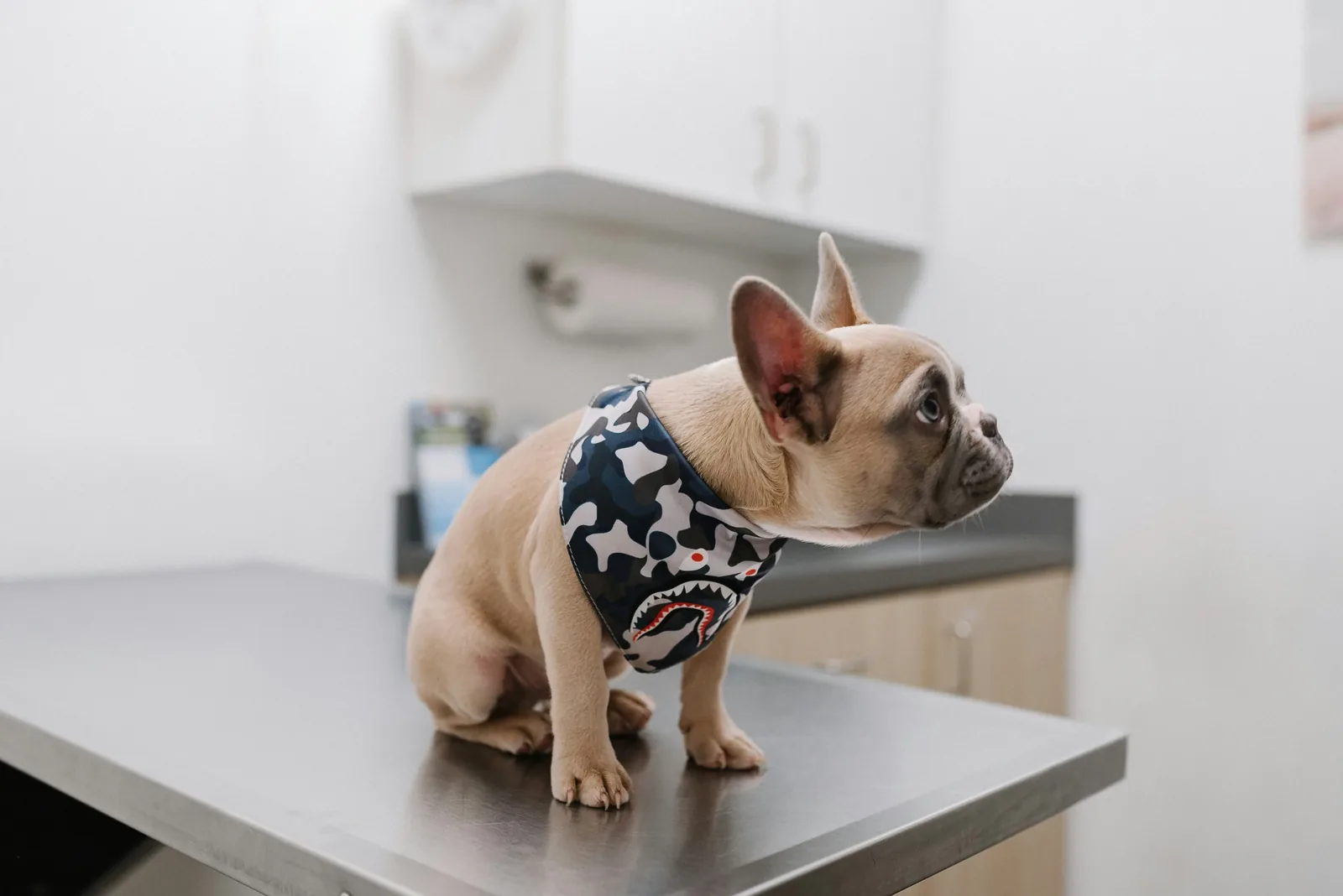
Regular Vet Care for Beagles
Annual checkups, ear cleaning, thyroid testing, and hip evaluations help catch breed-specific issues early
Wellness Add-Ons Worth Considering
For Beagle owners, wellness add-ons can pay for themselves. Annual vet exams, ear cleaning, thyroid screening, heartworm prevention, and flea and tick control are all routine for a scent hound that spends time outdoors. Some providers offer wellness packages that bundle these at a discounted rate compared to paying out of pocket.

Beagles Are Working Dogs With Working Dog Risks
Beagles were bred to hunt in packs, following scent trails for hours across rough terrain. That working dog heritage gives them energy, stamina, and a nose that never stops working — but it also gives them injuries and health risks that other breeds do not have.
The long spine and short legs that make a Beagle so recognizable also make them vulnerable to spinal disc disease. IVDD in Beagles can develop from the strain of running, jumping, and climbing that active Beagles love to do. When a disc ruptures, surgery is often the only option, and the rehabilitation that follows can take months.
Their instinct to follow any scent can also lead them into trouble. A Beagle that catches a smell of food — or something that smells like food — can bolt after it with no regard for traffic, fences, or owner commands. This leads to injuries from car accidents, fights with other animals, and poisonings from ingesting things they should not. Accident coverage in a pet insurance plan protects against these working dog hazards.
Top Pet Insurance Providers for Beagles
| Provider | Rating | Monthly Cost | Deductible | Best For | |
|---|---|---|---|---|---|
Lemonade | 4.5/5 | $20 - $60 | 100, 250, 500 | Budget-conscious pet owners | Visit |
Healthy Paws | 4.8/5 | $30 - $80 | 100, 250, 500 | Comprehensive coverage | Visit |
Embrace | 4.3/5 | $25 - $70 | 200, 300, 500 | Customizable coverage | Visit |
Trupanion | 4.2/5 | $35 - $90 | 250, 500, 750 | Maximum reimbursement | Visit |
Odie | 4.4/5 | $25 - $45 | 250, 500, 1000 | Senior pets & wellness add-ons | Visit |
Advertising Disclosure: CheckItAll.net is an independent comparison site. We may receive compensation when you click links or sign up with partners featured on our site. This compensation may affect how and where products appear on this site. Our opinions are our own. Read our full disclosure.
Frequently Asked Questions about Beagle Pet Insurance
Is pet insurance worth it for Beagles?
For most Beagle owners, yes. These scent hounds have real health risks that add up. Epilepsy runs higher in Beagles than most breeds, with medication costs of $240 to $390 per month for life. Their floppy ears trap moisture and cause chronic infections. Their food obsession leads to obesity, which worsens every other condition. And that long back puts them at risk for spinal disc disease that can require $3,000 to $8,000 surgery. If those bills would hurt, insurance makes sense.
How much is pet insurance for a Beagle?
Beagles are mid-sized dogs, so they cost less to insure than large breeds but more than tiny dogs. Most owners pay between $30 and $60 per month for comprehensive coverage. Puppies run $20 to $40. Adult Beagles in their prime years, 1 to 7, typically land in the $30 to $55 range. Seniors cost more, and some providers charge $65 or more per month for Beagles over 10.
Does pet insurance cover ear infections in Beagles?
Most comprehensive plans cover ear infections as an illness condition. This matters for Beagles — their floppy ears are notorious for trapping moisture and creating an environment where yeast and bacteria thrive. Treatment costs range from $100 for a simple infection up to $4,400 for severe or recurring cases. About half of all Beagle ear infections tie back to allergies, which means ongoing management rather than a one-time fix. With insurance, those recurring vet visits for ear problems add up less painfully.
What does pet insurance typically cover for Beagles?
Comprehensive plans cover accidents and illness, including ear infections, hip dysplasia, IVDD, epilepsy, hypothyroidism, and obesity-related issues. Wellness add-ons cover annual exams, vaccinations, heartworm prevention, and flea and tick control — all important for a breed that spends much of its time outdoors following scent trails. Accident-only plans do not cover illness, so they would not help with epilepsy, hypothyroidism, or ear infections.
Are there breed-specific exclusions for Beagle insurance?
Some providers have waiting periods or exclusions for hereditary conditions common in Beagles. Hip dysplasia and elbow dysplasia may have waiting periods of 6 to 12 months. Epilepsy waiting periods vary by provider. Pre-existing conditions are always excluded. Review each provider's breed-specific policy before enrolling. Healthy Paws and Trupanion are known for covering breed-specific conditions including epilepsy and hereditary hip problems.
How much does epilepsy medication cost for Beagles?
Epilepsy medication for a Beagle typically costs $240 to $390 per month. That is $2,880 to $4,680 per year, for life. Beagles are more prone to epilepsy than most breeds, with onset usually between 2 and 5 years of age. The medication is not optional — seizures need to be controlled. With comprehensive pet insurance, the medication cost and any emergency vet visits for seizure management are typically covered.
Does pet insurance cover hypothyroidism treatment for Beagles?
Yes, hypothyroidism is typically covered under comprehensive pet insurance as an illness condition. Beagles are among the breeds commonly affected. The condition requires daily medication for life, costing $30 to $50 per month for the medication alone. Regular blood tests to monitor thyroid levels add to the cost. Without insurance, managing a chronic condition like hypothyroidism for a Beagle's 10 to 15 year lifespan adds up to thousands of dollars.
What is the best pet insurance for Beagles?
The best pet insurance for your Beagle depends on your budget and what you want covered. Healthy Paws is frequently recommended for Beagles because it covers breed-specific conditions, has no annual payout limits, and processes claims quickly. Trupanion is a strong choice for epilepsy and hereditary conditions because it offers direct vet pay and covers chronic conditions well. For a Beagle with chronic ear infections or allergies, look for a plan with low per-visit copays on exam fees.
Pet Insurance by Breed
Advertising Disclosure: CheckItAll.net is an independent comparison site. We may receive compensation when you click links or sign up with partners featured on our site. This compensation may affect how and where products appear on this site. Our opinions are our own. Read our full disclosure.