Pet Insurance for German Shepherds
German Shepherds are America's second-most popular breed — loyal, intelligent, and built for work. That reputation comes with a downside: GSDs face some of the highest breed-specific health risks of any dog. Hip dysplasia affects roughly 20% of German Shepherds, bloat is a life-threatening emergency, and degenerative myelopathy shows up all too often in older dogs. Vet bills for these conditions add up fast.
Avg. Monthly Cost
$45-$90
comprehensive coverage
US Popularity
#2
most popular breed
Hip Dysplasia Surgery
$2,500-$15,000
affects ~20% of German Shepherds (OFA data)
Why Pet Insurance Matters for German Shepherds
German Shepherds consistently rank as America's second-most popular dog breed. Their intelligence, loyalty, and versatility make them outstanding family dogs, police K-9s, service animals, and working dogs. That breeding for performance and appearance has a price: German Shepherds carry some of the highest breed-specific health risks of any registered breed.
Hip dysplasia is the biggest concern. The Orthopedic Foundation for Animals estimates that roughly 20% of German Shepherds develop hip dysplasia — more than double the rate seen in Labrador Retrievers. The condition often requires surgery costing $2,500 to $15,000. If you have comprehensive pet insurance in place before symptoms appear, you could recover 70-90% of that cost.
Bloat is another serious threat. German Shepherds rank fifth among breeds most at risk for gastric dilation-volvulus, a life-threatening emergency where the stomach twists. Without immediate veterinary care, bloat is fatal. Even with treatment, emergency surgery runs $1,500 to $7,500 or more. Preventive gastropexy surgery, often performed during spay or neuter, costs around $500 and can prevent the worst from happening.
"German Shepherds are incredible dogs, but they come with real health challenges. Insurance means you can make decisions based on what your dog needs — not what you can afford."
Degenerative myelopathy is heartbreaking for owners. This progressive spinal disease slowly robs German Shepherds of mobility in their hind legs. There is no cure, and management — physical therapy, wheelchairs, ramps, nursing care — can cost thousands over the disease's course. Comprehensive plans that cover supportive care and physical therapy can ease the financial burden.
German Shepherds also face elevated cancer rates, particularly hemangiosarcoma and osteosarcoma. These diagnoses are devastating emotionally — and financially. Treatment costs can reach $3,000 to $10,000 or more. Pet insurance lets you focus on your dog's care rather than racing through savings.

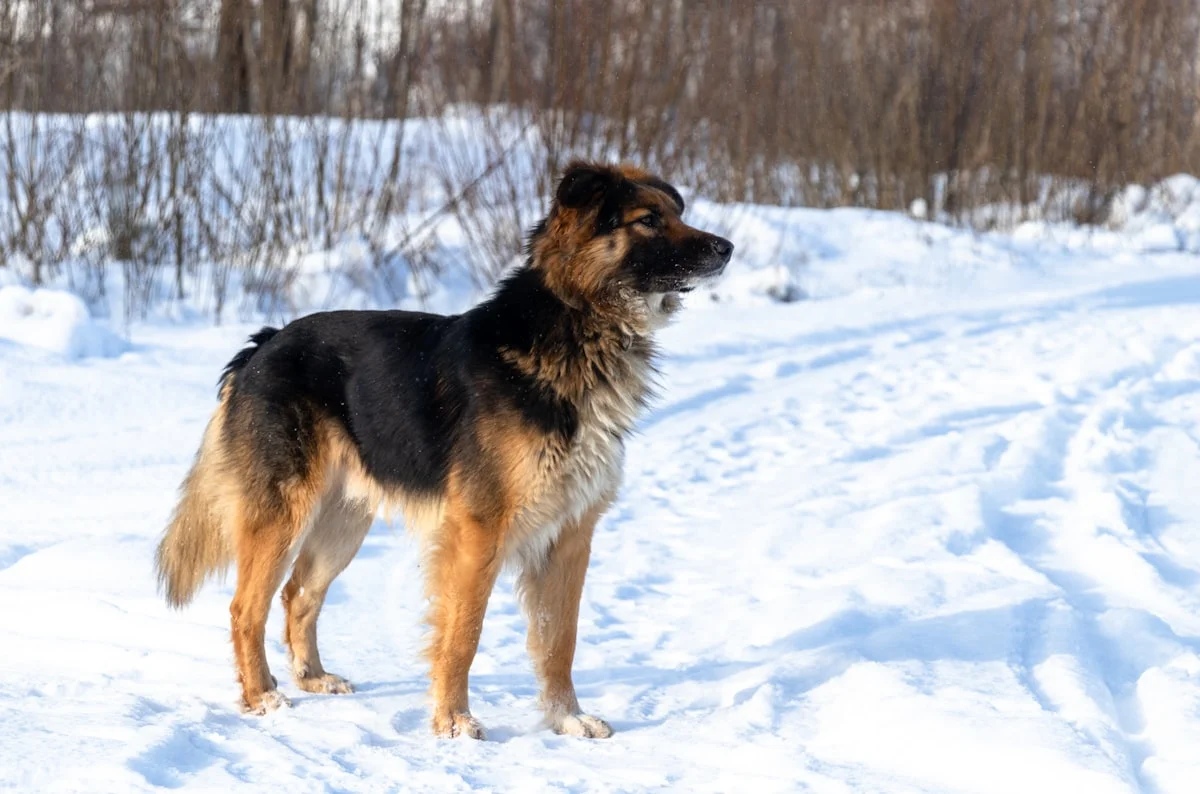
German Shepherds are loyal, intelligent, and hard-working — but their genetics come with real health costs
German Shepherd Health: What You Need to Know
OFA-verified breed health data
German Shepherds face several breed-specific health challenges. Understanding these risks helps you make informed decisions about pet insurance coverage and preventive care for your GSD.
Hip Dysplasia
$2,500-$15,000
~20% of German Shepherds (OFA verified)
Orthopedic Foundation for Animals tracks breed rates — GSDs rank among the highest of all breeds
Elbow Dysplasia
$1,500-$4,000
~20-25% of German Shepherds
Often bilateral — meaning both front legs are affected
Degenerative Myelopathy (DM)
$0-$5,000+
Unfortunately common in older GSDs
Progressive spinal disease, no cure — management includes physical therapy, wheelchairs, ramps
Bloat / GDV
$1,500-$7,500+
5th highest breed risk for gastric dilation-volvulus
Life-threatening emergency — stomach twists and blood supply cuts off within hours
Cancer (Hemangiosarcoma, Osteosarcoma)
$3,000-$10,000+
Elevated rates in German Shepherds
One of the leading causes of death in the breed — hemangiosarcoma is particularly aggressive
Allergies and Skin Issues
$200-$2,000 per year
Very common in the breed
Often chronic, environmental and food allergies both common
Exocrine Pancreatic Insufficiency (EPI)
$200-$500 per month
Genetic condition, more common in GSDs
Pancreas doesn't produce digestive enzymes — lifelong enzyme replacement therapy required
Panosteitis (Pano)
$200-$800 per episode
Common in GSD puppies, ages 5-18 months
Sometimes called 'growing pains' — painful bone inflammation, usually resolves on its own
Orthopedic Foundation for Animals Data
The OFA tracks hip and elbow dysplasia rates by breed. German Shepherds show hip dysplasia rates of approximately 20% — among the highest of all breeds. Elbow dysplasia affects roughly 20-25% of the breed. These figures are why German Shepherd owners face some of the highest breed-specific vet costs of any breed. Early insurance enrollment before any symptoms appear is the best way to ensure coverage if these conditions develop.
Beyond joints, German Shepherds have elevated rates of cancer, degenerative myelopathy, exocrine pancreatic insufficiency, and allergies. A comprehensive pet insurance plan that covers breed-specific conditions is a practical investment for any GSD owner.
Working Dog Heritage, Working Dog Risks
German Shepherds were bred for herding and guard work. Today, they serve as police K-9s, military working dogs, service animals, and search-and-rescue dogs. This working heritage means GSDs are built for activity and impact — and that puts them at risk for injuries other breeds avoid. Running, jumping, and physical work all take a toll on joints and ligaments.
Even family GSDs without formal jobs often have high exercise needs and a drive to work. Active German Shepherds are prone to cruciate ligament tears, joint injuries, and wear-and-tear that compounds over time. Comprehensive pet insurance that covers both accidents and illness is the right fit for this breed.
German Shepherd Vet Costs: What You're Insuring Against
These are the real costs of breed-specific conditions in German Shepherds. Knowing the numbers helps you understand why comprehensive pet insurance is a practical investment for GSD owners.
| Procedure / Condition | Cost Range | Notes |
|---|---|---|
| Hip dysplasia surgery (FHO) | $2,500-$15,000 | Full or partial hip replacement depending on severity |
| Elbow dysplasia surgery | $1,500-$4,000 | Often bilateral — both legs may need surgery |
| Bloat / GDV emergency surgery | $1,500-$7,500+ | Without immediate care, bloat is fatal |
| Cruciate ligament (CCL) repair | $3,000-$6,000 | Common injury in active working dogs |
| Cancer treatment (surgery + chemo) | $3,000-$10,000+ | Hemangiosarcoma and osteosarcoma most common in GSDs |
| Degenerative myelopathy management | $2,000-$5,000 per year | Physical therapy, mobility aids, nursing care over disease course |
| EPI enzyme therapy (monthly) | $200-$500 per month | Lifelong treatment — enzyme powder added to every meal |
| Gastropexy (preventive, during spay) | $500-$800 | Tacks stomach to wall to prevent GDV — highly recommended for GSDs |
Source: Industry average vet cost data compiled from multiple veterinary practice management sources and pet insurance claims data. Costs vary by region, severity, and veterinary practice. Preventive gastropexy during spay/neuter is one of the most cost-effective procedures you can do for your GSD — it runs about $500 and can prevent a $7,500+ bloat emergency.
What Pet Insurance Covers for German Shepherds
Comprehensive Illness Coverage
A comprehensive pet insurance plan that covers both accidents and illness is the best match for German Shepherds. This type of plan covers:
- -Hip dysplasia diagnosis and surgery ($2,500-$15,000)
- -Elbow dysplasia ($1,500-$4,000, often bilateral)
- -Bloat / GDV emergency surgery ($1,500-$7,500+)
- -Cruciate ligament (CCL) repair ($3,000-$6,000)
- -Cancer diagnosis and treatment ($3,000-$10,000+)
- -Degenerative myelopathy management ($2,000-$5,000 per year)
- -Exocrine pancreatic insufficiency ($200-$500 per month enzyme therapy)
- -Allergies and skin issues ($200-$2,000 per year)
Breed Exclusions to Watch For
Not all pet insurance plans treat German Shepherds the same. Watch for these potential exclusions:
- -Hip dysplasia waiting periods of 6-12 months with some providers
- -Breed-specific condition caps or sublimits on hip/elbow surgery
- -Annual or lifetime payout limits that may not cover worst-case scenarios
- -Pre-existing condition exclusions for any symptoms before enrollment
- -Degenerative myelopathy limitations or exclusions with some insurers
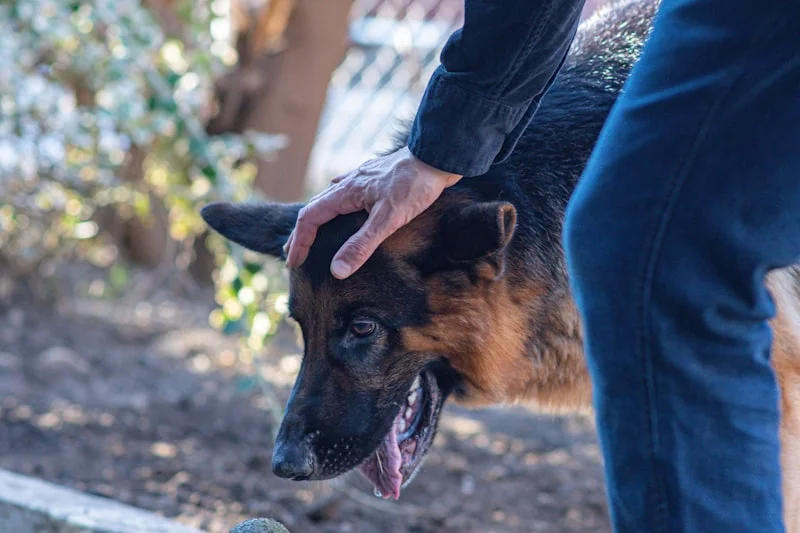
Annual Vet Care for German Shepherds
Regular checkups, hip and elbow evaluations, and eye exams help catch breed-specific issues early
Wellness Add-Ons Worth Considering
For German Shepherds, wellness add-ons can pay for themselves over time. Annual vet exams, vaccinations, heartworm prevention, flea and tick prevention, and hip and eye screenings are all routine for GSDs. Some providers offer wellness packages that bundle these at a discounted rate compared to paying out of pocket. Hip and elbow evaluation by a veterinary orthopedist is especially worth budgeting for — catching dysplasia early in a puppy can make a big difference in management options.
How to Choose Pet Insurance for Your German Shepherd
Choosing a Deductible
A higher deductible means lower monthly premiums — but more out-of-pocket when you file a claim. For a breed like German Shepherds that frequently needs joint surgery, a $250-$500 deductible is often a good balance. You're paying more per month but less when it counts.
Reimbursement Level
Most providers let you choose 70%, 80%, or 90% reimbursement. Higher reimbursement means higher monthly cost. For a dog facing potential hip dysplasia surgery at $8,000, the difference between 70% and 90% reimbursement is $1,600 out of your pocket. It's worth paying a bit more for higher reimbursement on a high-risk breed.
When to Enroll
The best time to enroll a German Shepherd is as a puppy, before any symptoms of joint disease appear. Once hip dysplasia or elbow dysplasia develops, it becomes a pre-existing condition and may not be covered. Even if you adopted an older GSD, enroll before you notice any symptoms. The younger and healthier your dog is when you enroll, the more conditions will be covered.
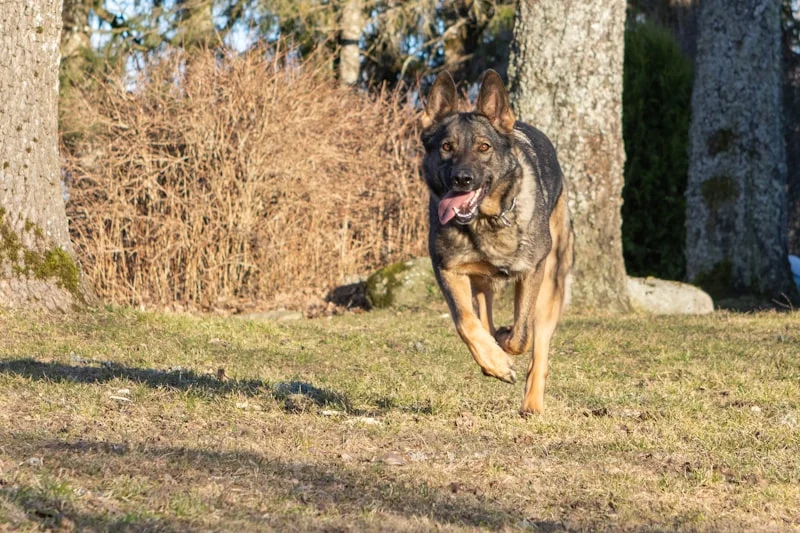
Built for Work, Built for Risk
German Shepherds were developed in Germany in the late 1800s for herding and guarding sheep. Modern GSDs still carry that working-dog mentality — high energy, strong instincts, and a need for purposeful activity. Whether your German Shepherd is a family companion, a police K-9, a service dog, or a weekend hiking partner, they are built for impact.
That build means real injury risks. Active German Shepherds can tear their cruciate ligaments, fracture bones on rough terrain, and damage joints from repetitive stress. Running, jumping, and agility work are great for a GSD's mind — but that physical intensity adds up on their joints over time. Cruciate ligament surgery alone runs $3,000 to $6,000.
The shorter lifespan of German Shepherds — 7 to 10 years on average — is worth factoring into your insurance decision. Cancers, degenerative myelopathy, and joint disease tend to surface in middle age and older GSDs. Insurance enrolled early covers more conditions for more years of your dog's life.
Insuring Your German Shepherd Puppy
If you have a German Shepherd puppy, now is the best time to get pet insurance. Puppies are less expensive to insure, and enrolling before any symptoms appear means pre-existing condition exclusions won't apply to future diagnoses.
German Shepherd puppies are particularly prone to panosteitis — a painful bone inflammation that affects GSDs between 5 and 18 months old. It usually resolves on its own but can require multiple vet visits and medication. EPI (exocrine pancreatic insufficiency) is also a genetic condition that can surface in young dogs, requiring lifelong enzyme replacement therapy at $200-$500 per month.
Hip dysplasia can start developing in puppies as young as 4-6 months, though it often isn't diagnosed until the dog is 1-2 years old. Getting insurance early protects you if dysplasia develops later. The younger your GSD is when you enroll, the more comprehensive your coverage will be.
What to look for in puppy insurance:
- -Short or no hip dysplasia waiting period
- -Coverage for congenital and hereditary conditions
- -No annual or lifetime payout caps (or high caps)
- -90% reimbursement option for best protection
- -Dental coverage included or add-on
- -Behavioral conditions coverage (GSDs can develop anxiety)
Top Pet Insurance Providers for German Shepherds
| Provider | Rating | Monthly Cost | Deductible | Best For | |
|---|---|---|---|---|---|
Lemonade | 4.5/5 | $20 - $60 | 100, 250, 500 | Budget-conscious pet owners | Visit |
Healthy Paws | 4.8/5 | $30 - $80 | 100, 250, 500 | Comprehensive coverage | Visit |
Embrace | 4.3/5 | $25 - $70 | 200, 300, 500 | Customizable coverage | Visit |
Trupanion | 4.2/5 | $35 - $90 | 250, 500, 750 | Maximum reimbursement | Visit |
Odie | 4.4/5 | $25 - $45 | 250, 500, 1000 | Senior pets & wellness add-ons | Visit |
Advertising Disclosure: CheckItAll.net is an independent comparison site. We may receive compensation when you click links or sign up with partners featured on our site. This compensation may affect how and where products appear on this site. Our opinions are our own. Read our full disclosure.
Frequently Asked Questions about German Shepherd Pet Insurance
Is pet insurance worth it for German Shepherds?
For most German Shepherd owners, yes. GSDs rank as America's second-most popular breed, and they come with real health baggage. About 20% develop hip dysplasia, bloat is a life-threatening risk, and degenerative myelopathy shows up all too often in older dogs. A single hip dysplasia surgery can run $2,500 to $15,000. If that would hurt your finances, insurance deserves serious consideration. Early enrollment before symptoms appear is the key — it means pre-existing condition exclusions don't apply.
How much is pet insurance for a German Shepherd?
Most German Shepherd owners pay between $45 and $90 per month for comprehensive coverage. Your exact rate depends on your dog's age, where you live, and the coverage level you pick. Puppies cost less to insure than adults, and prices climb once your GSD passes 6 or 7 years old. German Shepherds in their prime — 1 to 6 years old — typically get the best rates. Larger breeds always cost more than smaller dogs, and GSDs are among the larger breeds.
Does pet insurance cover hip dysplasia in German Shepherds?
Most pet insurance plans cover hip dysplasia as long as it is not pre-existing when you enroll. This is exactly why early enrollment matters so much. Sign up your German Shepherd puppy before hip dysplasia develops, and any future diagnosis and related treatment are typically covered. Hip dysplasia surgery costs $2,500 to $15,000 per incident. That kind of bill can wipe out savings fast. With insurance that covers 70-90% of the cost, you're protected. Note that some insurers impose a waiting period of 6-12 months for hip dysplasia — review each provider's policy.
What is degenerative myelopathy and does pet insurance cover it?
Degenerative myelopathy is a progressive disease that attacks the spinal cord, slowly causing weakness and eventual paralysis in the hind legs. There's no cure. Treatment involves physical therapy, mobility aids like wheelchairs, ramps, and nursing care — costs can add up to $5,000 or more over the course of the disease. Coverage depends on the provider. Some plans cover supportive care and physical therapy; others may consider it hereditary and impose limitations. Trupanion and Healthy Paws are known for covering DM. Review each policy carefully before signing up.
How much does bloat surgery cost for German Shepherds?
Bloat — technically gastric dilation-volvulus — is a life-threatening emergency. German Shepherds rank among the top 5 breeds at risk. Emergency surgery typically runs $1,500 to $7,500 or more, depending on severity and complications. Without immediate veterinary care, bloat is fatal within hours. This is a strong argument for getting comprehensive pet insurance for a German Shepherd. If you catch it early and your dog has surgery, survival rates are around 80-90% with prompt treatment. Preventive gastropexy surgery, often done during spay or neuter, costs around $500 and can prevent the worst from happening.
Are there breed-specific exclusions for German Shepherd insurance?
Some providers do have breed-specific exclusions or waiting periods for German Shepherds. Hip dysplasia waiting periods can stretch 6 to 12 months with some insurers. Elbow dysplasia and degenerative myelopathy may also face waiting periods or coverage limits. Annual or lifetime payout caps may not cover worst-case scenarios for a breed with as many joint issues as GSDs. Review each provider's breed-specific policy before signing up. Healthy Paws and Trupanion are known for covering breed-specific conditions without unusually restrictive waiting periods for German Shepherds.
Does pet insurance cover cancer treatment for German Shepherds?
Comprehensive pet insurance plans typically cover cancer treatment, including surgery, chemotherapy, and radiation. German Shepherds have elevated rates of hemangiosarcoma and osteosarcoma compared to other breeds. Cancer treatment costs can reach $3,000 to $10,000 or more depending on the type and stage. If your German Shepherd is diagnosed with cancer, comprehensive coverage lets you focus on treatment rather than racing through savings. Note that pre-existing cancers are not covered — enrollment before any symptoms appear is crucial.
What is the best pet insurance for German Shepherds?
The best pet insurance for your German Shepherd depends on your budget and coverage needs. Healthy Paws tends to be a top pick for GSDs because it has no payout limits and covers hip and elbow dysplasia with fast claims processing. Trupanion is another strong option with direct vet pay and hereditary condition coverage including degenerative myelopathy. Compare providers based on your GSD's age, any pre-existing condition history, and your preferred deductible and reimbursement level. The cheapest plan isn't always the best. German Shepherds face enough health risks that comprehensive coverage usually makes sense.
Pet Insurance by Breed
Advertising Disclosure: CheckItAll.net is an independent comparison site. We may receive compensation when you click links or sign up with partners featured on our site. This compensation may affect how and where products appear on this site. Our opinions are our own. Read our full disclosure.