Pet Insurance for Labrador Retrievers
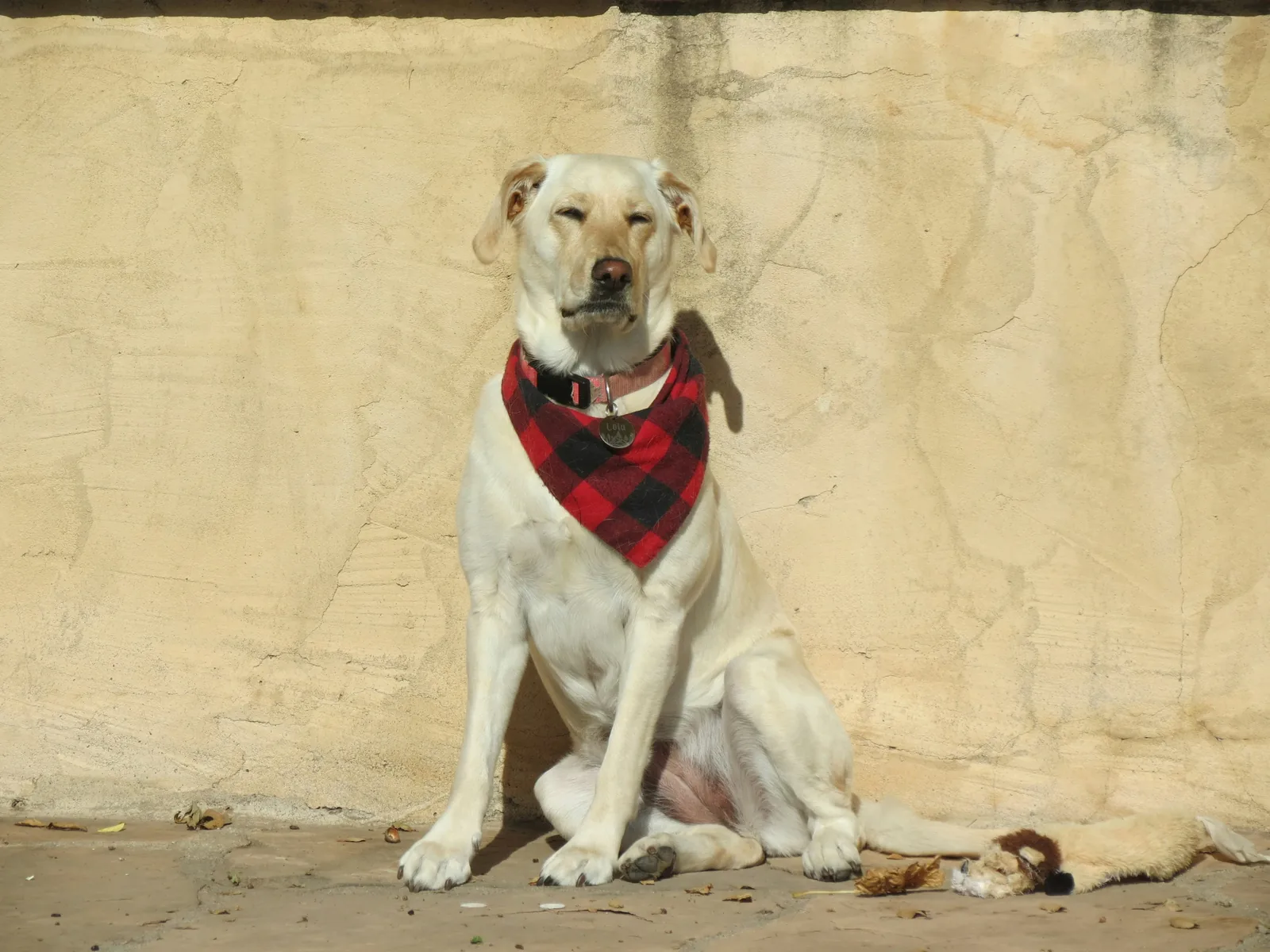
Labrador Retrievers are America's number-one breed — and they face real health challenges. Hip dysplasia affects 8-12% of Labs, obesity is the top health issue in the breed, and CCL tears are common in active dogs. The vet bills for breed-specific conditions add up fast.
Avg. Monthly Cost
$45
for Lab-sized dogs
US Popularity
#1
most popular breed
Hip Dysplasia Surgery
$2,500-$15,000
affects 8-12% of Labs
Why Pet Insurance Matters for Labrador Retrievers
Labrador Retrievers have held the top spot as America's most popular dog breed for years. Their friendly temperament, intelligence, and versatility make them great family dogs, service dogs, and working dogs. But that popularity comes with a downside: Labs are prone to a range of breed-specific health issues that can lead to significant vet bills.
Hip dysplasia is one of the most serious concerns. The Orthopedic Foundation for Animals estimates that 8-12% of Labrador Retrievers develop hip dysplasia. Large breed dogs like Labs put significant stress on their hips throughout their lives, and the condition often requires surgery costing $2,500 to $15,000. If you have pet insurance when your Lab is diagnosed, you could recover 70-90% of that cost.
Obesity is the number-one health issue in Labrador Retrievers. Studies suggest 62% of Labs are overweight or obese. Labs love food — it is part of their genetic makeup — and their food motivation makes them prone to overeating. Managing a Lab's weight requires discipline from the owner, and even with careful management, some Labs still struggle. Excess weight worsens hip dysplasia, puts stress on joints, and increases the risk of diabetes.
"Labs are prone to health issues that can cost thousands. Pet insurance means you can focus on your dog's treatment, not the bill."
CCL tears are another common injury in active Labs. The cranial cruciate ligament in a dog's knee is similar to the ACL in humans, and just like humans, dogs can tear it during activity. CCL surgery typically costs $3,000 to $6,000 per incident, and many Labs who tear one CCL will eventually tear the other.
Ear infections are endemic in Labs because of their floppy ears. The ear canal stays warm and moist, creating an ideal environment for yeast and bacterial infections. Each ear infection episode costs $200 to $500 to treat, and many Labs have recurring infections. Eye problems including progressive retinal atrophy and cataracts also affect 15-20% of Labs, with annual exams and potential surgery adding to lifetime vet costs.

Labs are active dogs prone to injuries from running, jumping, and play
Labrador Retriever Health: What You Need to Know
OFA-verified breed health data
Labs face several breed-specific health challenges. Understanding these risks helps you make informed decisions about pet insurance coverage and preventive care for your Lab.
Hip Dysplasia
$2,500-$15,000
8-12% of Labs
Orthopedic Foundation for Animals data
Obesity
$500-$2,000
#1 most obese breed
62% of Labs overweight, diet management critical
Cruciate Ligament Tears (CCL)
$3,000-$6,000
Common in active Labs
Surgery often required
Ear Infections
$200-$500
Very common
Due to floppy ears
Exercise-Induced Collapse
$500-$1,500
3-5% of Labs
Genetic test available
Eye Problems (PRA, Cataracts)
$1,000-$3,000
15-20% of Labs
Annual eye exams recommended
Orthopedic Foundation for Animals Data
The OFA tracks hip dysplasia rates by breed. Labrador Retrievers show hip dysplasia rates of 8-12%, which is lower than some large breeds but still significant given the cost of treatment. OFA testing helps breeders reduce incidence over time, but your individual Lab may still develop the condition. Early insurance enrollment before any symptoms appear is the best way to ensure coverage for hip dysplasia if it develops.
Labs also have notable rates of elbow dysplasia, eye disease (particularly progressive retinal atrophy), and exercise-induced collapse. A comprehensive pet insurance plan that covers breed-specific conditions is a practical investment for any Lab owner.
Weight Management: A Unique Lab Challenge
Labs have a genetic predisposition to obesity. Their ancestors were bred to work alongside fishermen, retrieving nets and catch from cold water. That work required a substantial build and a healthy appetite. Modern Labs retain both traits — they put on weight easily and they are always ready to eat. Studies show 62% of Labs are overweight or obese, making it the top health issue in the breed.
Excess weight in Labs is not just about aesthetics. It accelerates hip dysplasia, strains joints, and increases the risk of diabetes, heart disease, and respiratory issues. Managing your Lab's weight through portion control and regular exercise is critical. If your Lab does become overweight and develops secondary health problems, treatment costs fall on you unless you have pet insurance that covers weight-related conditions.
What Pet Insurance Covers for Labrador Retrievers
Comprehensive Illness Coverage
A comprehensive pet insurance plan that covers both accidents and illness is the best match for Labrador Retrievers. This type of plan covers:
- -Hip dysplasia diagnosis and surgery ($2,500-$15,000)
- -Cruciate ligament (CCL) tears ($3,000-$6,000)
- -Ear infections ($200-$500 per episode)
- -Eye exams and PRA/cataract treatment ($1,000-$3,000)
- -Exercise-induced collapse evaluation ($500-$1,500)
- -Skin issues and allergies
Breed Exclusions to Watch For
Not all pet insurance plans treat Labs the same. Watch for these potential exclusions:
- -Hip dysplasia waiting periods of 6-12 months with some providers
- -Breed-specific condition caps or sublimits
- -Annual or lifetime payout limits that may not cover worst-case hip dysplasia surgery
- -Pre-existing condition exclusions for any symptoms that appeared before enrollment
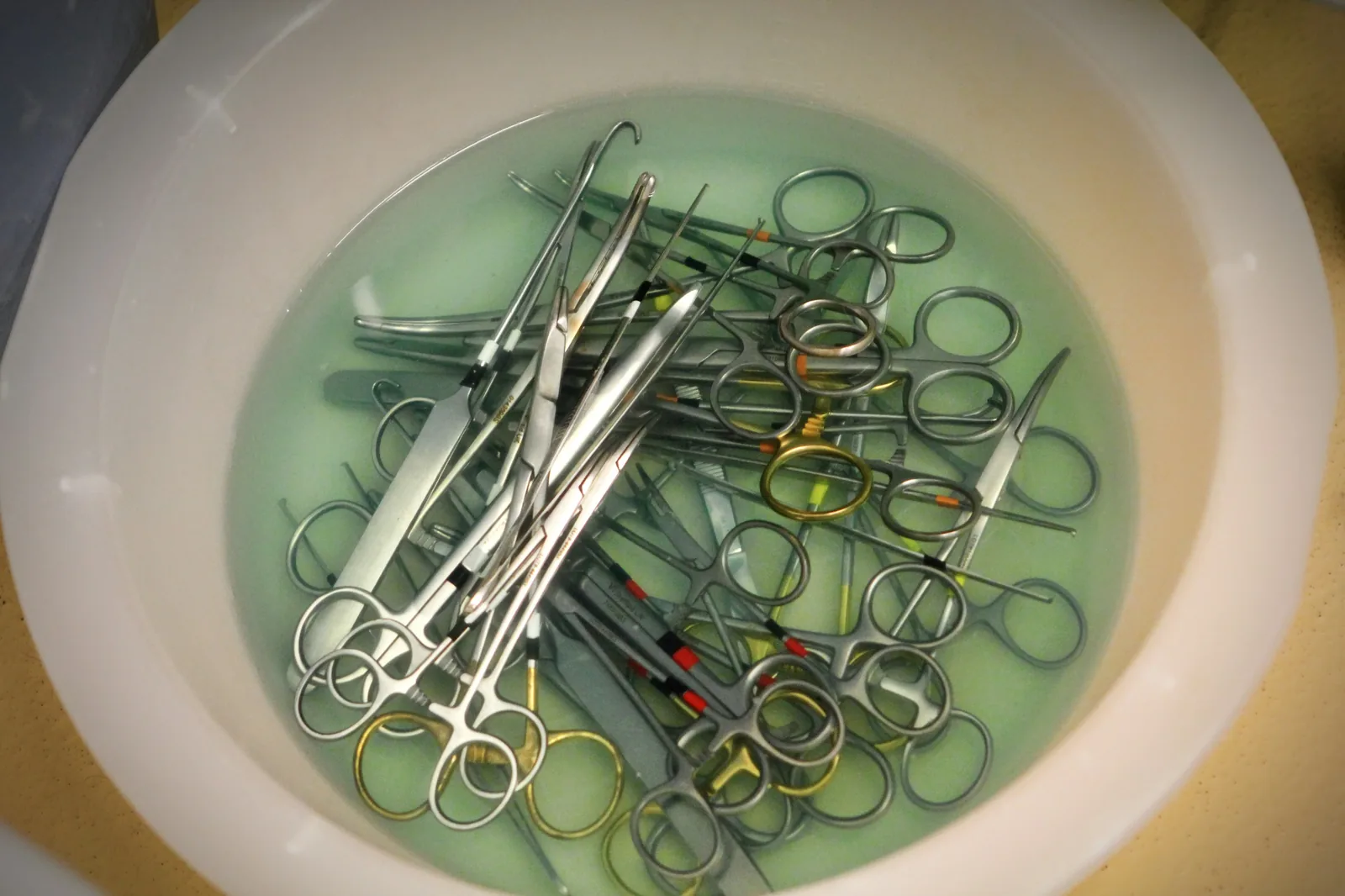
Annual Vet Care for Labs
Regular checkups, eye exams, and hip evaluations help catch breed-specific issues early
Wellness Add-Ons Worth Considering
For Labrador Retrievers, wellness add-ons can pay for themselves over time. Annual vet exams, vaccinations, heartworm prevention, flea and tick prevention, and hip and eye screenings are all routine for Labs. Some providers offer wellness packages that bundle these at a discounted rate compared to paying out of pocket.
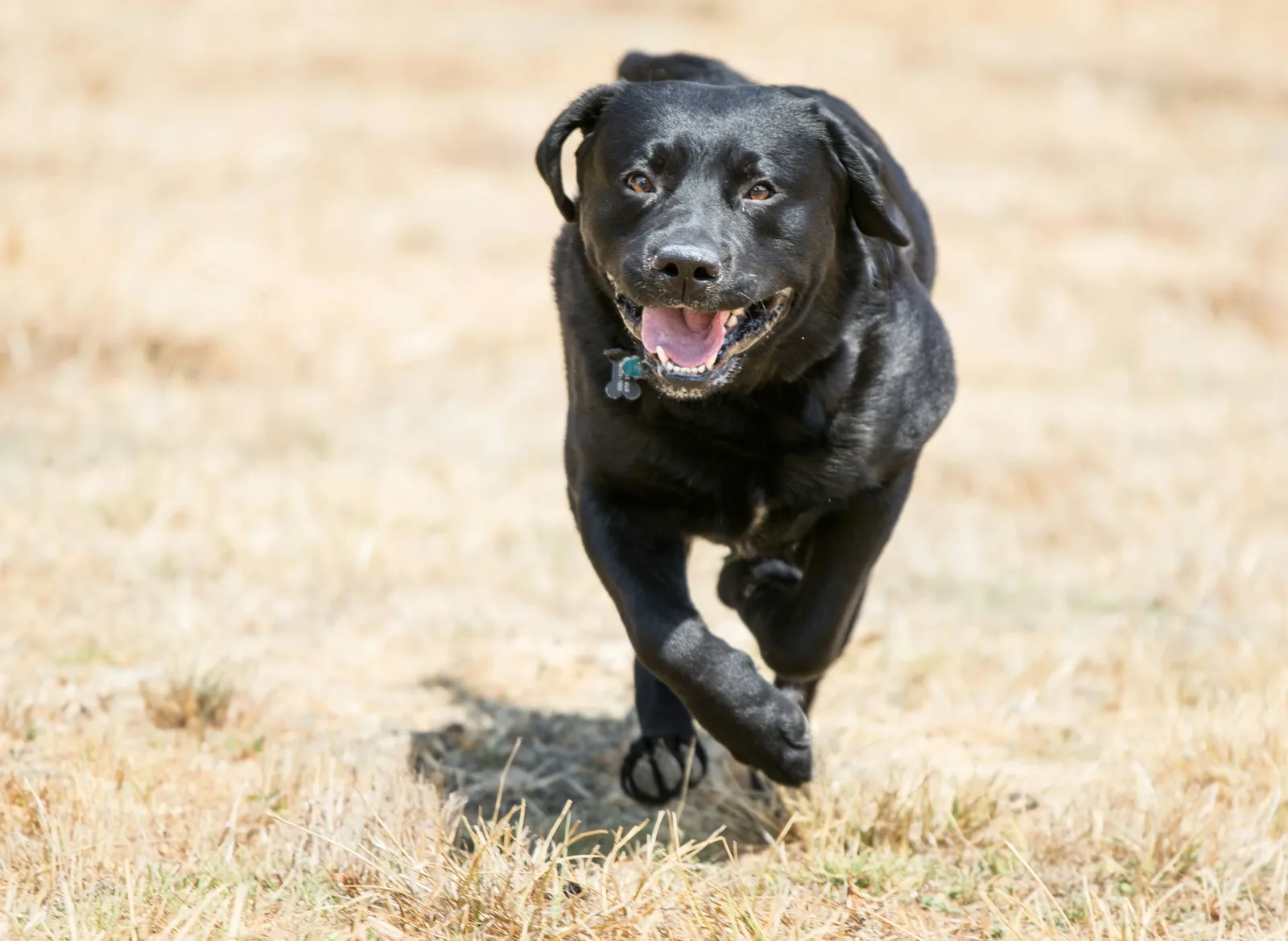
Labs Are Working Dogs With Working Dog Risks
Labs were bred to work. Whether yours is a hunting companion, a service dog, a therapy dog, or just an enthusiastic backyard retriever, they are built for activity. That working-dog heritage is part of what makes Labs so rewarding to own — and part of what puts them at risk for injuries that other breeds avoid.
Running, swimming, jumping, and retrieving all take a toll on a Lab's body. Active Labs are prone to CCL tears from sudden stops and turns. They can fracture bones, tear ligaments, and injure their paws on rough terrain. A Lab that spends time in the water is also at risk for ear infections from moisture trapped in the ear canal.
Exercise-induced collapse affects 3-5% of Labs, particularly during intense activity in warm weather. A genetic test is available, but not all owners know to request it. If your Lab collapses during exercise and you have pet insurance, the evaluation and treatment are typically covered under illness coverage.
Top Pet Insurance Providers for Labrador Retrievers
| Provider | Rating | Monthly Cost | Deductible | Best For | |
|---|---|---|---|---|---|
Lemonade | 4.5/5 | $20 - $60 | 100, 250, 500 | Budget-conscious pet owners | Visit |
Healthy Paws | 4.8/5 | $30 - $80 | 100, 250, 500 | Comprehensive coverage | Visit |
Embrace | 4.3/5 | $25 - $70 | 200, 300, 500 | Customizable coverage | Visit |
Trupanion | 4.2/5 | $35 - $90 | 250, 500, 750 | Maximum reimbursement | Visit |
Odie | 4.4/5 | $25 - $45 | 250, 500, 1000 | Senior pets & wellness add-ons | Visit |
Advertising Disclosure: CheckItAll.net is an independent comparison site. We may receive compensation when you click links or sign up with partners featured on our site. This compensation may affect how and where products appear on this site. Our opinions are our own. Read our full disclosure.
Frequently Asked Questions about Labrador Retriever Pet Insurance
Is pet insurance worth it for Labrador Retrievers?
For most Lab owners, yes. Labs are America's most popular breed, but they face real health challenges. Hip dysplasia affects 8-12% of Labs, CCL tears are common in active dogs, and obesity is the number-one health issue in the breed. A single hip dysplasia surgery can run $2,500 to $15,000. If that would strain your budget, insurance is worth serious consideration.
How much is pet insurance for a Labrador Retriever?
Labrador-sized dogs average about $45/month for comprehensive coverage. The exact price depends on your Lab's age, location, and the coverage level you choose. Puppies are cheaper to insure than adult Labs, and prices climb as your dog gets older. Labs in their prime years — 1 to 6 years old — typically get the best rates.
Does pet insurance cover hip dysplasia in Labs?
Most pet insurance plans cover hip dysplasia if it is not pre-existing when you enroll. This is why early enrollment matters. If you sign up your Lab puppy before hip dysplasia develops, and your dog is later diagnosed with it, the condition and related treatment are typically covered. Hip dysplasia surgery costs $2,500 to $15,000 per incident, so the coverage can make a real difference.
What does pet insurance typically cover for Labrador Retrievers?
Comprehensive plans typically cover accidents and illness, including hip dysplasia, CCL tears, ear infections, eye problems, and skin issues — all common in Labs. Some plans also offer wellness add-ons for annual exams, vaccinations, and preventive care. Accident-only plans cover injuries from accidents but not illness, so they would not cover hip dysplasia or ear infections.
Are there breed-specific exclusions for Labrador insurance?
Some providers have breed-specific exclusions or waiting periods. Hip dysplasia waiting periods can be 6 to 12 months with some insurers. Review each provider's breed-specific policy before enrolling. Providers like Healthy Paws and Trupanion are known for covering breed-specific conditions without unusually long waiting periods for Labs.
How much does hip dysplasia surgery cost for Labs?
Hip dysplasia surgery for a Labrador Retriever typically runs $2,500 to $15,000 depending on the severity and the type of surgery needed. Total hip replacement can be the most expensive option at $10,000 to $15,000. Fracture repair or less invasive procedures run lower. Pet insurance with comprehensive coverage typically pays 70-90% of covered vet bills after your deductible.
Does pet insurance cover CCL tears in dogs?
Yes, CCL tears are typically covered under comprehensive pet insurance as an illness condition. CCL surgery for a Lab costs $3,000 to $6,000, and it is a common injury in active Labs who run, jump, or play hard. If your Lab tears a CCL, having insurance means you can choose the best treatment option without delaying surgery due to cost concerns.
What is the best pet insurance for Labrador Retrievers?
The best pet insurance for your Lab depends on your budget and coverage needs. Healthy Paws is often recommended for Labs because it has no payout limits, covers breed-specific conditions like hip dysplasia, and has a strong reputation for quick claims processing. Trupanion is another top choice for Labs with breed-specific conditions because it offers direct vet pay and covers hereditary conditions. Compare providers based on your Lab's age, pre-existing condition history, and your preferred deductible and reimbursement level.
Pet Insurance by Breed
Advertising Disclosure: CheckItAll.net is an independent comparison site. We may receive compensation when you click links or sign up with partners featured on our site. This compensation may affect how and where products appear on this site. Our opinions are our own. Read our full disclosure.