Pet Insurance for Poodles
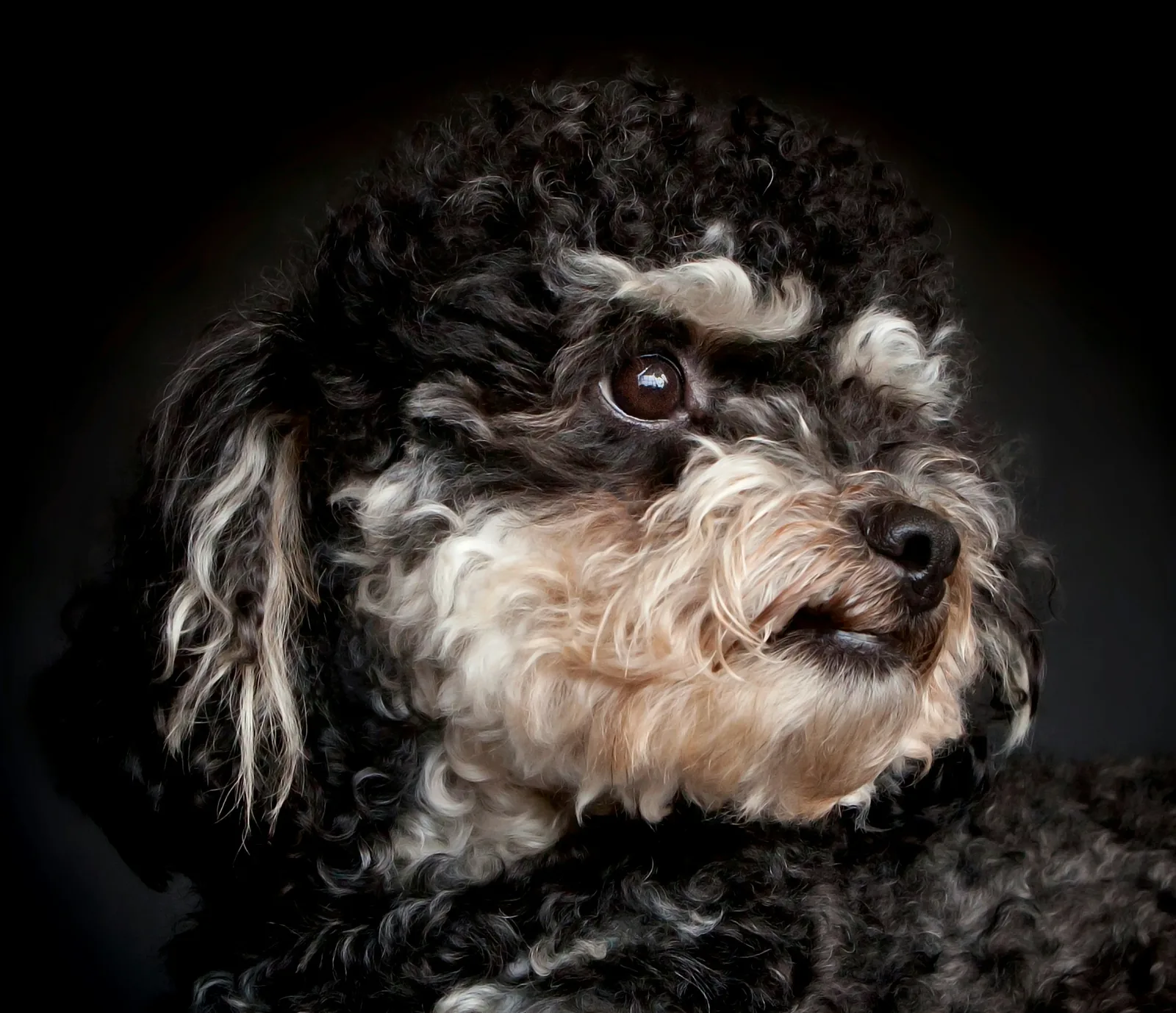
Poodles are one of America's most beloved breeds — smart, elegant, and surprisingly sturdy for their appearance. That elegance comes with real health considerations: Standard Poodles face elevated risk for Addison's disease, bloat, and hip dysplasia. Toy and Miniature varieties have their own condition profiles and exceptionally long lifespans. If you own a Poodle, understanding these risks before they show up at the vet makes all the difference.
Avg. Monthly Cost
$40
for Poodle-sized dogs
US Popularity
#5
most popular breed
Addison's Disease Management
$500-$2,000/mo
Standard Poodles face elevated risk
Why Pet Insurance Matters for Poodles
Poodles consistently rank among America's top five most popular breeds, and for good reason. They are exceptionally intelligent, hypoallergenic (their curly coat sheds minimally), and come in three distinct sizes to fit different living situations. That reputation for elegance sometimes masks the real health challenges the breed faces — particularly the Standard Poodle, which carries one of the most significant breed-specific health burdens of any registered dog.
Addison's disease is the most serious concern for Standard Poodle owners. The condition — hypoadrenocorticism — occurs when the adrenal glands fail to produce adequate cortisol. Without daily medication and regular monitoring, Addison's is fatal. The condition most often strikes young to middle-aged Standard Poodles, and management costs $500 to $2,000 monthly for the rest of the dog's life. This is not a rare condition: experienced Standard Poodle owners estimate that roughly one in three Standards will face Addison's during their lifetime. If your Standard Poodle is diagnosed without insurance, you are looking at a lifetime cost that can easily exceed $30,000 to $50,000.
Bloat — technically gastric dilatation-volvulus, or GDV — is a second major emergency risk for Standard Poodles. Their deep chest structure creates the anatomical conditions for the stomach to twist and fill with gas. Within hours, tissue dies, sepsis sets in, and without emergency surgery the dog dies. Bloat surgery costs $2,500 to $7,500 or more depending on complications, and the outcome is far better when you can act immediately rather than hesitate at the cost.
"Poodles are hypoallergenic, incredibly smart, and live a long time — Toy and Miniature varieties can reach 14-18 years. That long lifespan means more years of potential health costs, and insurance helps you manage them all."
Progressive retinal atrophy affects Poodles of all three varieties. This genetic eye condition causes gradual bilateral blindness, typically appearing between ages 3 and 5. The dog adapts remarkably well to vision loss, but the condition requires ongoing monitoring and eventually limits the dog's ability to navigate unfamiliar environments safely. There is no cure, and while the condition itself is not painful, it changes how the dog moves through the world.
Toy and Miniature Poodles are not exempt from health costs — they just face different challenges. Patellar luxation (a slipped kneecap) is common in small varieties and may require surgery. PRA affects smaller Poodles too. And small dogs in general face higher per-incident dental costs because they frequently need professional dental cleaning under anesthesia. The good news: Toy and Miniature Poodles generally have lower crisis-risk profiles than Standards. The flip side: their longer lifespans (12-18 years) mean more years of routine and unexpected vet costs combined.
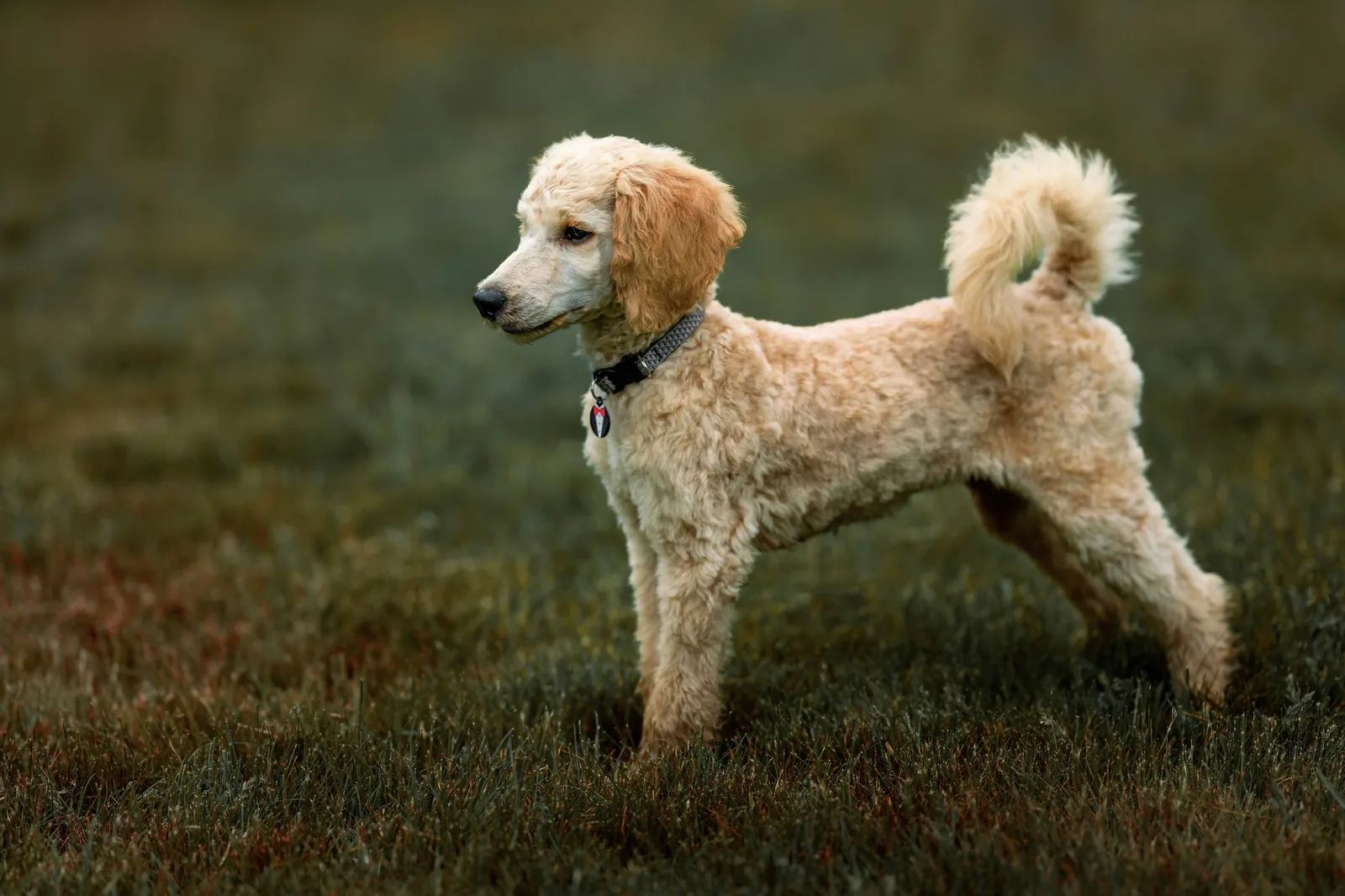
Poodles come in three sizes — Toy, Miniature, and Standard — each with distinct health profiles and insurance considerations
Poodle Health: What You Need to Know
Verified breed health data from OFA, AKC, and PetMD
Poodles face several breed-specific health challenges that vary by variety. Standard Poodles carry the most serious condition burden, while Toy and Miniature varieties face different but still meaningful health considerations. Understanding these risks helps you make informed decisions about pet insurance coverage and preventive care for your Poodle.
Addison's Disease
$500-$2,000/month for ongoing management
Standard Poodles face elevated risk — a serious condition for this breed
Hypoadrenocorticism — adrenal gland fails to produce adequate cortisol. Life-threatening if untreated. Often strikes young to middle-aged Standard Poodles.
Hip Dysplasia
$2,500-$7,000 for surgery
Standard Poodles: ~6.9% per OFA data (lower than many large breeds)
Orthopedic Foundation for Animals tracks breed-specific rates. Surgery options include femoral head ostectomy, pelvic osteotomy, or total hip replacement.
Progressive Retinal Atrophy (PRA)
$1,000-$3,000 for diagnosis and monitoring
Genetic — affects both eyes, typically appears age 3-5
Bilateral retinal degeneration leads to gradual blindness. DNA test available through AKC. No cure, but affected dogs adapt well to vision loss.
Bloat (GDV)
$2,500-$7,500+ for emergency surgery
Standard Poodles at elevated risk — deep chest structure
Gastric dilatation-volvulus — stomach twists and fills with gas. Life-threatening within hours. Deep-chested breeds like Standards are most at risk.
Sebaceous Adenitis
$200-$1,000 per year for treatment
Standard Poodles — primary breed affected by this condition
Skin condition attacking sebaceous glands. Causes flaky skin, hair loss, secondary infections. Manageable but requires ongoing care.
Patellar Luxation
$300-$1,500 for surgical correction
Toy and Miniature Poodles most commonly affected
Kneecap slips out of position. Grade 1-2 often managed medically; Grade 3-4 typically requires surgery.
The Urban Apartment Dog Angle
Poodles are exceptionally well-suited to urban living. Their hypoallergenic coat means they do not trigger allergies the way many breeds do, their intelligence makes them quick to train for city behaviors, and Toy and Miniature varieties especially fit comfortably in small apartments. Standard Poodles need more space and exercise but still adapt well to city environments. This popularity in dense urban areas means many Poodle owners rely on metro-area veterinary specialists — which often come with higher price tags. Comprehensive pet insurance that covers specialist visits and emergency care is especially valuable for urban Poodle owners.
Three Varieties — Three Different Insurance Profiles
Standard Poodles (15+ inches tall, 40-70 lbs) face the most serious health profile: Addison's disease, bloat, hip dysplasia, and sebaceous adenitis are all well-documented breed conditions. Insurance rates reflect this higher risk. Miniature Poodles (10-15 inches, 10-20 lbs) have a more moderate risk profile with patellar luxation, PRA, and dental disease as primary concerns. Toy Poodles (under 10 inches, 4-10 lbs) have the longest lifespan (14-18 years) and face similar small-dog conditions plus hypoglycemia risk as puppies. All three varieties benefit from early enrollment to cover breed-specific conditions before they develop.
What Pet Insurance Covers for Poodles
Comprehensive Illness Coverage
A comprehensive pet insurance plan that covers both accidents and illness is the right fit for Poodles. This type of plan covers:
- -Addison's disease management ($500-$2,000/month for life)
- -Bloat/GDV emergency surgery ($2,500-$7,500+)
- -Hip dysplasia surgery ($2,500-$7,000)
- -PRA diagnosis and monitoring ($1,000-$3,000)
- -Patellar luxation surgery ($300-$1,500)
- -Sebaceous adenitis treatment ($200-$1,000/year)
Breed Exclusions to Watch For
Not all pet insurance plans treat Poodles the same. Watch for these potential exclusions:
- -Addison's disease waiting periods — some providers impose 6-12 month waits, which is especially problematic since it can strike young dogs
- -Bloat waiting periods — GDV surgery may be excluded during initial waiting periods despite being an emergency
- -Annual or lifetime payout limits — Addison's management runs thousands per year; low caps exhaust quickly
- -Pre-existing condition rules — any Addison's symptoms before enrollment disqualify coverage for the condition
- -Genetic condition exclusions — some plans exclude PRA specifically as a genetic condition
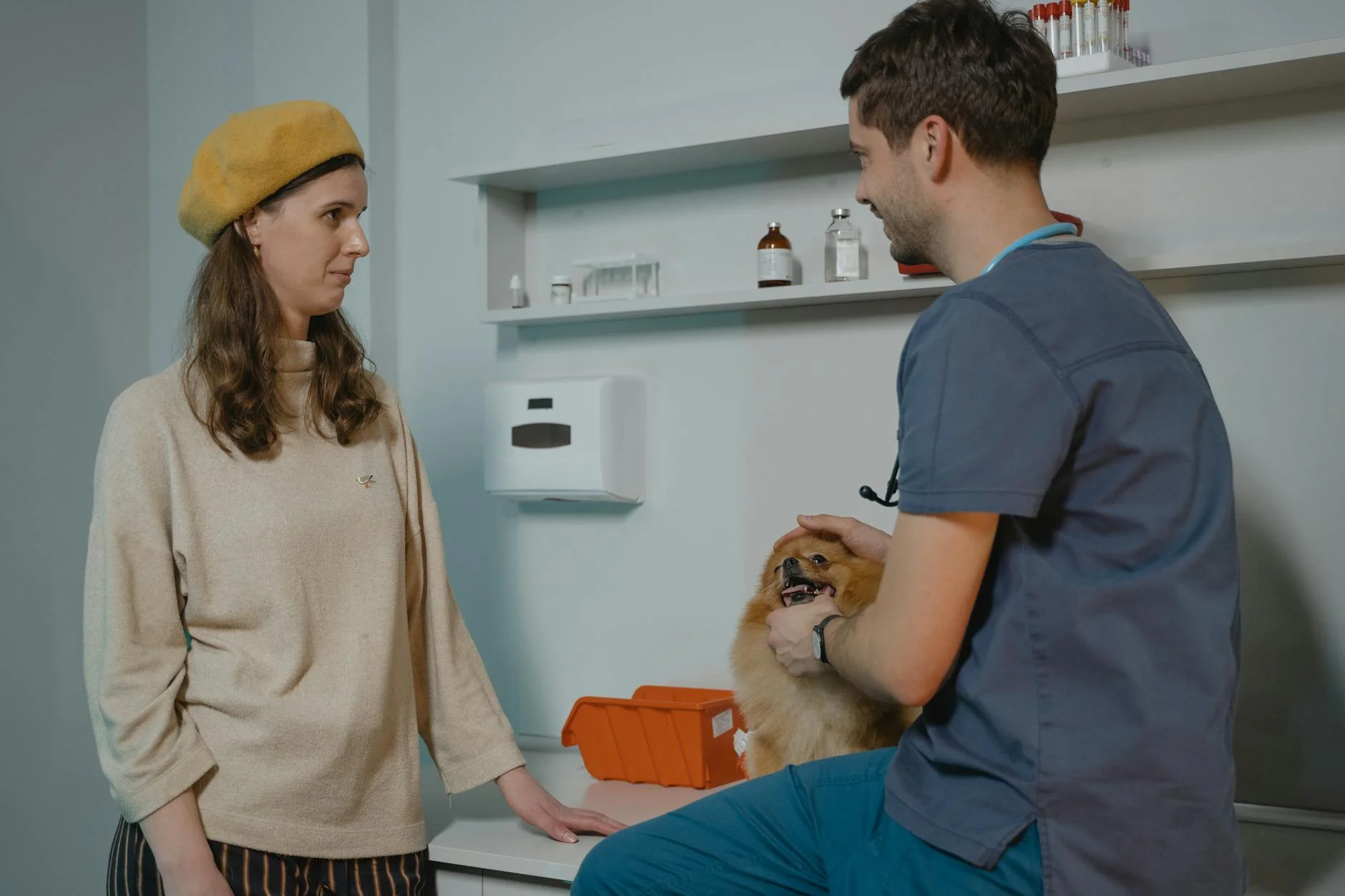
Annual Vet Care for Poodles
Regular eye exams, hip evaluation, and adrenal monitoring help catch breed-specific issues early in Standard Poodles especially
Wellness Add-Ons Worth Considering
For Poodles — particularly Toy and Miniature varieties with their longer lifespans — wellness add-ons can offset the cost of annual exams, vaccinations, dental cleanings, and preventive care. Small dogs especially benefit from regular dental work under anesthesia, which can cost $400 to $1,000 per session without coverage.

Smart, Elegant, and Surprisingly Resilient
Poodles were developed as water retrievers — their name comes from the German word "pudeln," meaning to splash. That working heritage gave them their iconic curly coat, webbed feet, and exceptional intelligence. Today they excel at everything from service work to agility competition to being simply wonderful companion dogs.
Their intelligence is a double-edged sword for owners: Poodles learn fast, which means they pick up good habits and bad ones equally quickly. They also need more mental stimulation than many breeds — a bored Poodle finds creative ways to get into trouble. But this intelligence also means they are highly trainable, which helps with city living, leash manners, and navigating the veterinary care system.
The curly coat that makes Poodles hypoallergenic also requires regular professional grooming — every 4 to 6 weeks, at $60 to $120 per session depending on size and coat condition. That adds $360 to $1,440 annually just for grooming, and this cost is never covered by pet insurance. Budget for it as a separate expense. The good news: Poodles do not shed like other breeds, which means less fur in your home and on your clothes.
Poodles' long lifespans — particularly Toy and Miniature varieties reaching 14-18 years — mean you are making a multi-decade health management commitment. Insurance enrolled early covers more conditions for more years, and the longer your Poodle lives, the more likely they are to face chronic conditions that benefit from ongoing coverage. Start coverage while your Poodle is young and healthy to maximize the value of your policy over their full lifespan.
Top Pet Insurance Providers for Poodles
| Provider | Rating | Monthly Cost | Deductible | Best For | |
|---|---|---|---|---|---|
Lemonade | 4.5/5 | $20 - $60 | 100, 250, 500 | Budget-conscious pet owners | Visit |
Healthy Paws | 4.8/5 | $30 - $80 | 100, 250, 500 | Comprehensive coverage | Visit |
Embrace | 4.3/5 | $25 - $70 | 200, 300, 500 | Customizable coverage | Visit |
Trupanion | 4.2/5 | $35 - $90 | 250, 500, 750 | Maximum reimbursement | Visit |
Odie | 4.4/5 | $25 - $45 | 250, 500, 1000 | Senior pets & wellness add-ons | Visit |
Advertising Disclosure: CheckItAll.net is an independent comparison site. We may receive compensation when you click links or sign up with partners featured on our site. This compensation may affect how and where products appear on this site. Our opinions are our own. Read our full disclosure.
Frequently Asked Questions about Poodle Pet Insurance
Is pet insurance worth it for Poodles?
For most Poodle owners, yes — and it depends on which Poodle you own. Standard Poodles face the most serious health risks: Addison's disease affects 1 in 3 Standard Poodles in their lifetime, with ongoing treatment costing $500 to $2,000 monthly. Bloat emergency surgery runs $2,500 to $7,500 or more. Toy and Miniature Poodles have lower crisis risk but face patellar luxation, PRA, and dental issues that add up over their longer lifespans. If a four-figure vet bill would strain your budget, insurance makes financial sense for any Poodle variety.
How much is pet insurance for a Poodle?
Poodles typically cost $35 to $75 per month for comprehensive coverage, depending on variety and size. Standard Poodles are priced higher than Toy or Miniature varieties due to their larger size and elevated breed-specific health risks. Your exact rate depends on your Poodle's age, location, and the coverage level you choose. Enrolling while your Poodle is young and healthy — before Addison's, PRA, or hip dysplasia can develop — locks in the best rate and widest coverage.
Does pet insurance cover Addison's disease in Standard Poodles?
Most comprehensive pet insurance plans cover Addison's disease — one of the most significant health conditions for Standard Poodles. Addison's occurs when the adrenal glands fail to produce adequate cortisol, and without treatment it is life-threatening. Ongoing management including medication and monitoring costs $500 to $2,000 per month. Coverage depends on whether symptoms were present before enrollment. Enroll your Standard Poodle before any signs of Addison's appear — early detection is not always possible through routine vet exams.
What is PRA and does insurance cover it in Poodles?
PRA — progressive retinal atrophy — is a genetic eye condition that causes gradual bilateral blindness in Poodles. It typically appears between ages 3 and 5 and progresses over 1-2 years until the dog is fully blind. There is no cure. DNA testing through AKC helps breeders avoid producing affected puppies. Diagnosis and monitoring cost $1,000 to $3,000. Comprehensive pet insurance typically covers PRA diagnosis and related treatment as an illness condition. Pet insurance does not cover the cost of genetic testing itself.
Does pet insurance cover bloat surgery for Standard Poodles?
Comprehensive pet insurance plans cover bloat — also called GDV or gastric dilatation-volvulus — as a medical emergency. Standard Poodles have a deep chest structure that puts them at elevated risk for this life-threatening condition where the stomach twists and fills with gas. Without emergency surgery within hours, bloat is fatal. Surgery costs $2,500 to $7,500 or more depending on severity and complications. This is one of the most time-sensitive pet emergencies — having insurance means you can make the surgical decision without financial hesitation.
Are Toy and Miniature Poodles less expensive to insure than Standards?
Toy and Miniature Poodles are typically less expensive to insure than Standard Poodles. This is because Standards face higher breed-specific health risks — Addison's disease, bloat, and hip dysplasia are all more prevalent or more severe in the Standard variety. Toy and Miniature Poodles have their own health considerations — patellar luxation, PRA, and dental disease are more common in smaller varieties — but the overall risk profile and resulting insurance premiums are generally lower. That said, all Poodle varieties benefit from early enrollment while they are young and healthy.
What does pet insurance typically cover for Poodles?
Comprehensive plans cover accidents and illness including Addison's disease management, bloat emergency surgery, hip dysplasia, PRA diagnosis and monitoring, patellar luxation, ear infections, and skin conditions like sebaceous adenitis. Accident-only plans cover injuries but not illness, so they would not cover Addison's, PRA, or sebaceous adenitis. Wellness add-ons can help offset annual exams, vaccinations, and preventive care — useful for all three Poodle varieties given their longer lifespans.
What is the best pet insurance for Poodles?
Healthy Paws is frequently the top recommendation for Standard Poodles especially, because Addison's disease — the breed's most significant health condition — requires lifelong management costing $500 to $2,000 monthly. Healthy Paws has no annual or lifetime payout limits, so chronic condition coverage does not run out. Trupanion is another strong choice offering direct vet pay and 90% reimbursement as standard. Compare deductibles and reimbursement rates against your Poodle's expected health profile. For Toy and Miniature Poodles, the same providers work well with lower premiums.
Pet Insurance by Breed
Advertising Disclosure: CheckItAll.net is an independent comparison site. We may receive compensation when you click links or sign up with partners featured on our site. This compensation may affect how and where products appear on this site. Our opinions are our own. Read our full disclosure.