Pet Insurance for Great Danes
Great Danes are among the tallest and most gentle giant breeds in the world — and among the most high-risk for serious health problems. Bloat affects 36%-42% of Great Danes over their lifetime. Dilated cardiomyopathy is found in 12%-35% of the breed. Osteosarcoma risk is 34 times higher than mixed breeds. These are not rare edge cases. They are the reality of owning a Great Dane. Vet bills for these conditions add up fast, and they can strike without warning.
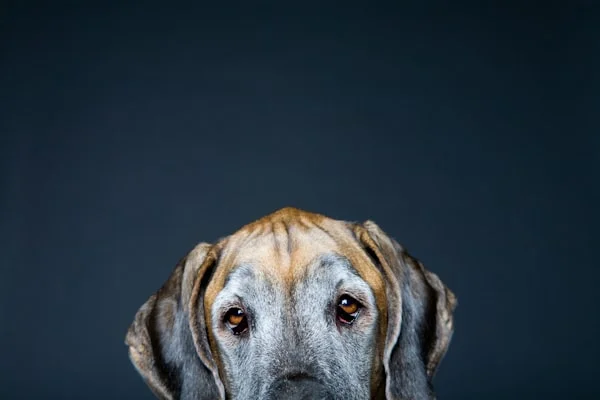
Avg. Monthly Cost
$60-$140
comprehensive coverage
US Popularity
#22
most popular breed
Bloat Lifetime Risk
36%-42%
highest of any breed (veterinary studies)
Why Pet Insurance Matters for Great Danes
Great Danes consistently rank in the top 25 most popular dog breeds in America. They are gentle giants — calm, loyal, and family-friendly despite their imposing size. But that breeding for height and mass comes with a serious downside: Great Danes carry some of the highest breed-specific health risks of any registered breed.
Bloat is the cruelest example. Veterinary studies show a 36.7%-42.4% lifetime risk of gastric dilation-volvulus in Great Danes — the highest of any breed. This is when the stomach twists and cuts off blood supply. Without immediate surgery, bloat is fatal within hours. Emergency surgery runs $4,000 to $10,000 or more. Preventive gastropexy surgery during spay or neuter costs $800-$2,500 and can prevent the worst.
Dilated cardiomyopathy is the other major concern. Studies published in the Journal of Veterinary Cardiology show DCM affects 11.8%-35.6% of Great Danes. The heart muscle thins and weakens, enlarging the heart chamber. It requires lifelong medication and monitoring at $30-$300 per month. Osteosarcoma rounds out the triple threat. Great Danes have 34 times the odds of osteosarcoma compared to mixed breeds. Amputation and chemotherapy can run $3,000 to $8,500 or more.
"Great Danes are incredible family dogs, but their giant size comes with real health costs. Insurance means you can make decisions about your dog's care based on what they need — not what you can afford."
Wobbler Syndrome is another concern for the breed. This cervical vertebral instability causes spinal cord compression in the neck, leading to wobbling and weakness. Surgery costs $2,000 to $8,000 or more. The shorter lifespan of Great Danes — 7 to 10 years on average — is worth factoring into your insurance decision. Cancers, joint disease, and heart conditions tend to surface in middle age. Insurance enrolled early covers more conditions for more years of your dog's life.
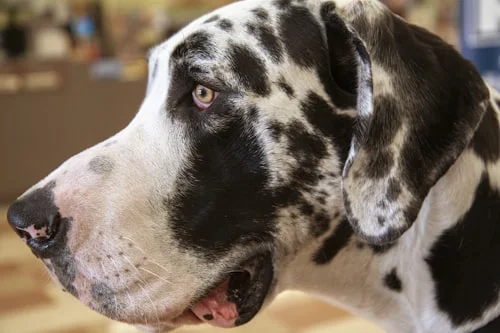
Great Danes are gentle giants — but their giant size comes with serious health risks that insurance can help manage
Great Dane Health: What You Need to Know
OFA-verified and veterinary study-confirmed breed health data
Great Danes face several serious breed-specific health challenges. Understanding these risks helps you make informed decisions about pet insurance coverage and preventive care for your Great Dane.
Bloat / GDV
$4,000-$10,000+
36.7%-42.4% lifetime risk (giant breed highest)
Dilated Cardiomyopathy (DCM)
$250-$1,500 diagnosis, $30-$300/month medication
11.8%-35.6% of Great Danes (veterinary cardiology studies)
Osteosarcoma
$3,000-$8,500+
0.87% annual prevalence, 34x higher odds than mixed breeds
Hip Dysplasia
$1,500-$10,000+
~12% of Great Danes (OFA verified)
Cardiomyopathy / Heart Murmurs
$500-$2,000
Elevated rates in Great Danes
Wobbler Syndrome
$2,000-$8,000+
Cervical vertebral instability common in giant breeds
Skin Conditions
$200-$2,000+
Demodex mange, allergic dermatitis elevated
Bone/Joint Stress
$500-$5,000+
Rapid growth in giant breed puppies
Bloat: The #1 Threat to Great Danes
Veterinary studies published in the Journal of the American Veterinary Medical Association show Great Danes have a 36.7%-42.4% lifetime risk of bloat — the highest of any dog breed. This is not a rare genetic fluke. It is a common, life-threatening emergency that can strike without warning. Every Great Dane owner should understand bloat signs and have a plan for immediate vet care. Preventive gastropexy surgery, performed during spay or neuter for $800-$2,500, can prevent gastric torsion and is one of the most cost-effective things you can do for your Great Dane.
Beyond bloat, Great Danes face elevated rates of dilated cardiomyopathy (11.8%-35.6%), osteosarcoma (34x higher odds than mixed breeds), hip dysplasia (~12%), and Wobbler Syndrome. A comprehensive pet insurance plan that covers breed-specific and hereditary conditions is a practical investment for any Great Dane owner.
Giant Breed, Giant Risks
Great Danes were bred in Germany for hunting wild boar — a job that required great size, strength, and courage. Today they are family companions and show dogs, but they retain their giant breed physiology. That means rapid growth in puppyhood, stress on joints and bones, and a body that puts unusual strain on the heart and digestive system. Great Danes need 18-24 months to reach their full height, growing from 10-15 pound puppies to 110-175 pound adults in less than two years. That growth rate is physiologically stressful and contributes to many of the breed's health risks.
Comprehensive pet insurance that covers both accidents and illness is the right fit for this breed. A giant breed policy with high payout limits and coverage for breed-specific conditions is worth the investment.
Great Dane Vet Costs: What You Are Insuring Against
These are the real costs of breed-specific conditions in Great Danes. Knowing the numbers helps you understand why comprehensive pet insurance is a practical investment for Great Dane owners.
| Procedure / Condition | Cost Range | Notes |
|---|---|---|
| Bloat / GDV emergency surgery | $4,000-$10,000+ | Without immediate care, bloat is fatal within hours |
| Preventive gastropexy (during spay/neuter) | $800-$2,500 | Tacks stomach to wall — prevents GDV, highly recommended for Great Danes |
| DCM diagnosis (echo + Holter monitor) | $500-$1,500 | Diagnostic testing to confirm and stage cardiomyopathy |
| DCM ongoing management (monthly) | $30-$300/month | Lifelong medication and cardiac monitoring |
| Osteosarcoma treatment (amputation + chemo) | $3,000-$8,500+ | Aggressive cancer — early detection improves outcomes |
| Hip dysplasia surgery (FHO/total hip) | $1,500-$10,000+ | Per incident — depends on severity and surgical approach |
| Wobbler syndrome surgery | $2,000-$8,000+ | Cervical spinal cord decompression — complex procedure |
| Skin biopsy and allergy testing | $200-$1,500 | Diagnosing skin conditions — often chronic management needed |
Sources: Industry average vet cost data compiled from ACVS, JAVMA, Journal of Veterinary Cardiology, and pet insurance claims data. Veterinary studies confirm Great Dane bloat risk (Glickman et al.), DCM prevalence (Stephenson et al.), and osteosarcoma risk (VetCompass/O'Neill et al.). Costs vary by region, severity, and veterinary practice. Preventive gastropexy during spay/neuter is one of the most cost-effective procedures for Great Danes — it runs $800-$2,500 and can prevent a $4,000-$10,000+ bloat emergency.
What Pet Insurance Covers for Great Danes
Comprehensive Illness Coverage
A comprehensive pet insurance plan that covers both accidents and illness is the best match for Great Danes. This type of plan covers:
- -Bloat / GDV emergency surgery ($4,000-$10,000+)
- -DCM diagnosis and ongoing management ($30-$300/month)
- -Osteosarcoma treatment ($3,000-$8,500+)
- -Hip dysplasia diagnosis and surgery ($1,500-$10,000+)
- -Wobbler Syndrome surgery ($2,000-$8,000+)
- -Skin condition diagnosis and treatment ($200-$2,000+)
Breed Exclusions to Watch For
Not all pet insurance plans treat Great Danes the same. Watch for these potential exclusions:
- -Bloat waiting periods — some providers exclude GDV for 12-24 months
- -Hip dysplasia waiting periods of 6-12 months with some providers
- -Breed-specific cancer coverage limits or sublimits
- -Annual or lifetime payout limits that may not cover worst-case bloat scenarios
- -DCM and heart condition limitations with some insurers
Annual Vet Care for Great Danes
Regular checkups, cardiac screenings, hip evaluations, and preventive care help catch breed-specific issues early
Wellness Add-Ons Worth Considering
For Great Danes, wellness add-ons can pay for themselves over time. Annual vet exams, vaccinations, heartworm prevention, flea and tick prevention, cardiac screenings, and hip evaluations are all routine for Great Danes. Some providers offer wellness packages that bundle these at a discounted rate compared to paying out of pocket. Cardiac screening is especially important given the breed's elevated DCM risk — catching heart issues early makes a real difference in management options.
How to Choose Pet Insurance for Your Great Dane
Choosing a Deductible
A higher deductible means lower monthly premiums but more out-of-pocket when you file a claim. For a breed like Great Danes that faces real risks of bloat emergency surgery at $8,000, a $250-$500 deductible is often the right balance. You pay more per month but less when it counts.
Reimbursement Level
Most providers let you choose 70%, 80%, or 90% reimbursement. Higher reimbursement means higher monthly cost. For a dog facing potential bloat surgery at $8,000, the difference between 70% and 90% reimbursement is $1,600 out of your pocket. For a high-risk breed like Great Danes, 80-90% reimbursement is usually worth the extra monthly cost.
When to Enroll
The best time to enroll a Great Dane is as a puppy, before any symptoms of joint disease, heart issues, or other breed-specific conditions appear. Once bloat, DCM, or hip dysplasia develops, it becomes a pre-existing condition and may not be covered. Even if you adopted an older Great Dane, enroll before you notice any symptoms. The younger and healthier your dog is when you enroll, the more conditions will be covered.
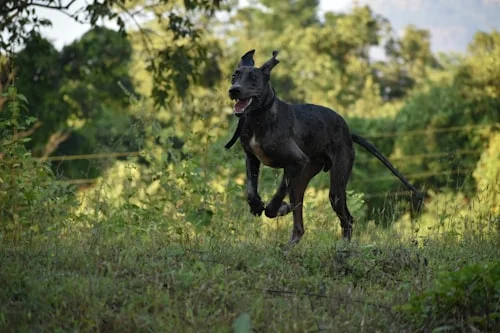
Gentle Giants with Serious Health Risks
Great Danes trace their ancestry to ancient mastiffs and were refined in Germany for hunting wild boar. They are one of the tallest dog breeds in the world, with adult males standing 30-32 inches at the shoulder and weighing 140-175 pounds. Despite their imposing size, modern Great Danes are known for being gentle, friendly, and excellent family dogs.
That giant size is physiologically stressful. Great Danes grow from 10-15 pound puppies to 140+ pound adults in 18-24 months. That rapid growth puts stress on bones, joints, and the heart. Great Danes are among the breeds most commonly affected by Wobbler Syndrome — cervical vertebral instability that causes spinal cord compression. They face elevated rates of osteochondritis dissecans (OCD) in puppyhood. Joint stress from their own mass contributes to hip dysplasia and cruciate ligament injuries.
The shorter lifespan of Great Danes — 7 to 10 years on average — is worth factoring into your insurance decision. Cancers, joint disease, and heart conditions tend to surface in middle age. Insurance enrolled early covers more conditions for more years of your dog's life. For a breed with as many serious health risks as Great Danes, early enrollment is one of the smartest decisions you can make.
Insuring Your Great Dane Puppy
If you have a Great Dane puppy, now is the best time to get pet insurance. Puppies are less expensive to insure, and enrolling before any symptoms appear means pre-existing condition exclusions will not apply to future diagnoses.
Great Dane puppies are particularly prone to osteochondritis dissecans — a cartilage defect that affects large and giant breed puppies, usually in the shoulder joints. It often requires surgical correction at a cost of $1,500 to $4,000. Hip dysplasia can start developing in puppies as young as 4-6 months, though it often is not diagnosed until the dog is 1-2 years old. Getting insurance early protects you if dysplasia develops later.
The younger your Great Dane is when you enroll, the more comprehensive your coverage will be. Pre-existing condition exclusions do not apply to conditions that have not yet shown symptoms. For a breed with as many hereditary risks as Great Danes, early enrollment is one of the smartest decisions you can make. Bloat risk starts in young adulthood — having insurance in place before signs appear means you are protected when the risk becomes real.
What to look for in puppy insurance:
- -Short or no bloat/GDV waiting period
- -Coverage for congenital and hereditary conditions
- -No annual or lifetime payout caps — or high caps
- -80-90% reimbursement option for best protection
- -Cancer coverage included — Great Danes have elevated osteosarcoma risk
- -Heart condition coverage given breed's elevated DCM rates
Top Pet Insurance Providers for Great Danes
| Provider | Rating | Monthly Cost | Deductible | Best For | |
|---|---|---|---|---|---|
Lemonade | 4.5/5 | $20 - $60 | 100, 250, 500 | Budget-conscious pet owners | Visit |
Healthy Paws | 4.8/5 | $30 - $80 | 100, 250, 500 | Comprehensive coverage | Visit |
Embrace | 4.3/5 | $25 - $70 | 200, 300, 500 | Customizable coverage | Visit |
Trupanion | 4.2/5 | $35 - $90 | 250, 500, 750 | Maximum reimbursement | Visit |
Odie | 4.4/5 | $25 - $45 | 250, 500, 1000 | Senior pets & wellness add-ons | Visit |
Advertising Disclosure: CheckItAll.net is an independent comparison site. We may receive compensation when you click links or sign up with partners featured on our site. This compensation may affect how and where products appear on this site. Our opinions are our own. Read our full disclosure.
Frequently Asked Questions about Great Dane Pet Insurance
Is pet insurance worth it for Great Danes?
For most Great Dane owners, yes — and here is why. Great Danes carry some of the highest bloat risk of any dog breed. Studies show a 36.7%-42.4% lifetime risk of gastric dilation-volvulus, and emergency bloat surgery can run $4,000 to $10,000 or more. Dilated cardiomyopathy affects 12%-35% of the breed. Osteosarcoma risk is 34 times higher than mixed breeds. These are not rare edge cases. They are common enough that every Great Dane owner should plan for them financially. With comprehensive pet insurance covering 70-90% of these bills, you can make decisions about your dog's care based on what they need — not what you can afford.
How much is pet insurance for a Great Dane?
Most Great Dane owners pay between $60 and $140 per month for comprehensive coverage, though prices can range up to $267 per month for full-coverage plans with the highest limits. Your exact rate depends on your dog's age, your location, and the coverage level you pick. Great Danes are giant dogs — they cost more to insure than large breeds, and large breeds cost more than small dogs. Prices also climb once your Dane passes 5 or 6 years old. The sweet spot for rates is 1 to 5 years old.
What is bloat and why is it dangerous for Great Danes?
Bloat — technically gastric dilation-volvulus — is when the stomach twists and cuts off blood supply. It is one of the most dangerous emergencies in dog ownership. Great Danes have one of the highest documented bloat risks of any breed, with veterinary studies showing a 36.7%-42.4% lifetime risk. Without immediate surgery, bloat is fatal within hours. Emergency surgery typically runs $4,000 to $10,000 or more. If your Great Dane shows signs — a swollen belly, restless pacing, trying to vomit without bringing anything up — get to a vet immediately. Every hour matters.
Does pet insurance cover dilated cardiomyopathy in Great Danes?
Comprehensive pet insurance plans typically cover DCM diagnosis and ongoing management as illness. Studies show DCM affects 11.8%-35.6% of Great Danes. Diagnosis typically requires echocardiogram and Holter monitor testing at a cost of $500-$1,500. Monthly medication costs of $30-$300 are common. Comprehensive coverage that covers illness can help manage these ongoing costs. Early enrollment before any symptoms appear is important.
What does pet insurance cover for Great Dane bone cancer?
Comprehensive pet insurance plans typically cover cancer treatment, including osteosarcoma. Great Danes have a 0.87% annual prevalence of osteosarcoma — 34 times higher odds than mixed breeds. Amputation and chemotherapy can cost $3,000 to $8,500 or more. If your Great Dane is diagnosed, comprehensive coverage lets you focus on treatment instead of racing through savings. Early enrollment before any symptoms appear is crucial.
Does pet insurance cover hip dysplasia in Great Danes?
Most pet insurance plans cover hip dysplasia as long as it is not pre-existing when you enroll. Great Danes show hip dysplasia rates of approximately 12% according to OFA data. Hip dysplasia surgery costs $1,500 to $10,000 or more depending on severity. With comprehensive insurance covering 70-90% of that bill after your deductible, you are protected. Note that some providers impose a waiting period of 6-12 months for hip dysplasia.
What is Wobbler Syndrome and does insurance cover it in Great Danes?
Wobbler Syndrome is cervical vertebral instability — a condition where vertebrae in the neck compress the spinal cord, causing wobbling, weakness, and difficulty walking. Great Danes are among the breeds most commonly affected. Surgery to decompress the spinal cord can cost $2,000 to $8,000 or more. Comprehensive pet insurance that covers illness typically covers Wobbler Syndrome diagnosis and surgical treatment. Early detection through neurological examination helps.
What is the best pet insurance for Great Danes?
The best pet insurance for your Great Dane depends on your budget and what you want covered. For a breed with such serious health risks — bloat, DCM, osteosarcoma, Wobbler Syndrome — comprehensive coverage that covers cancer treatment, hereditary conditions, and emergency illness is worth the investment. Healthy Paws often comes out top for giant breeds like Great Danes because it has no payout limits and covers breed-specific conditions. Trupanion is another strong choice with direct vet pay and hereditary condition coverage.
Advertising Disclosure: CheckItAll.net is an independent comparison site. We may receive compensation when you click links or sign up with partners featured on our site. This compensation may affect how and where products appear on this site. Our opinions are our own. Read our full disclosure.