Pet Insurance for Siberian Huskies
Siberian Huskies are generally healthy dogs with a 12-14 year lifespan, but they carry real breed-specific health risks. Hereditary cataracts affect about 8% of Huskies, hip dysplasia occurs in 2.2% of the breed, and their active nature means injuries are always a possibility. If your Husky needs eye surgery or joint treatment, bills can hit $3,000 to $15,000 fast.
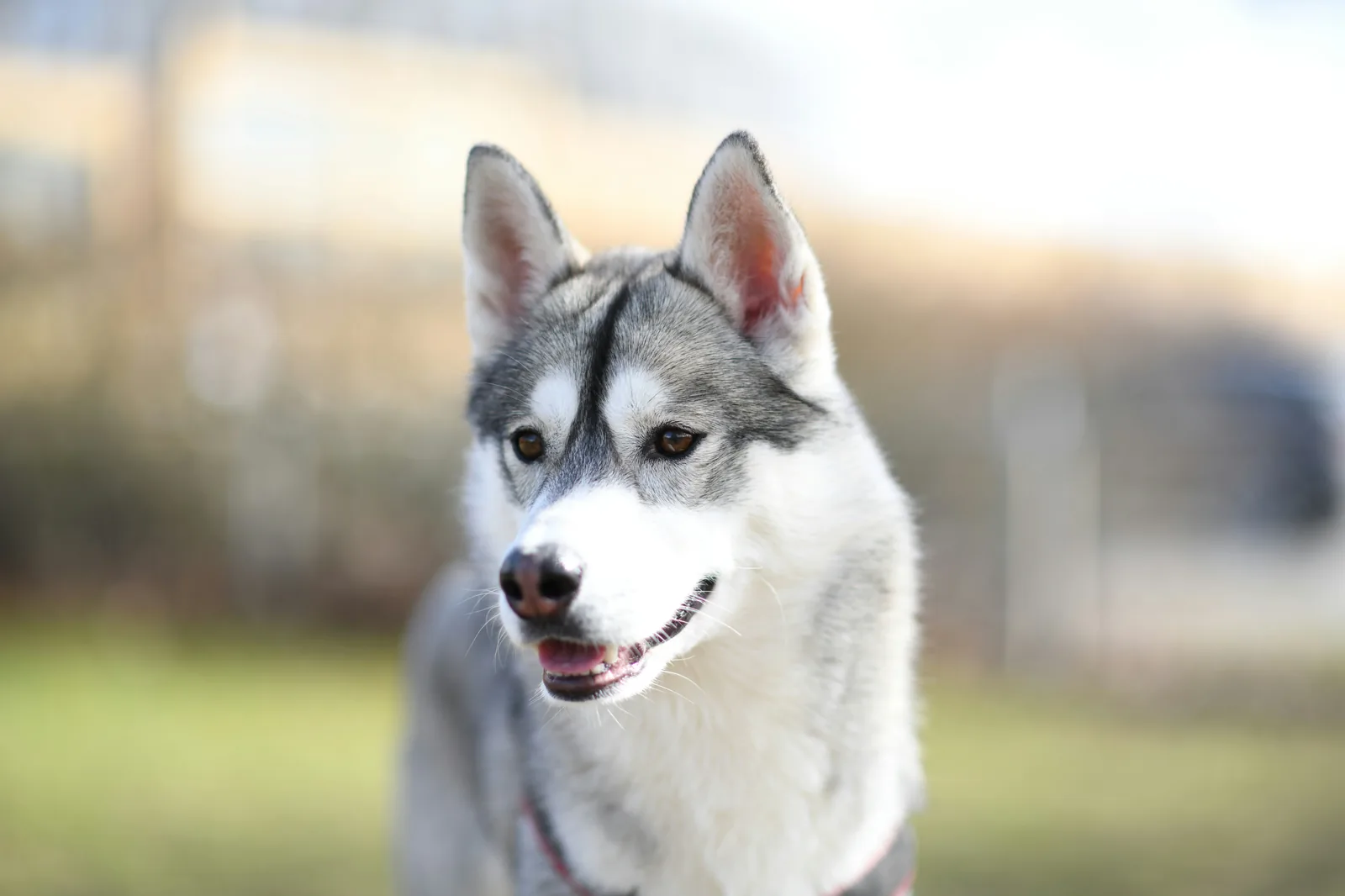
Avg. Monthly Cost
$45
per month
Lifespan
12-14 years
years
Cataract Surgery Cost (both eyes)
$3,000-$7,000
8% of Huskies affected by hereditary cataracts
Why Pet Insurance Matters for Siberian Huskies
Siberian Huskies are one of the healthiest dog breeds out there. They were built for endurance in harsh climates, and that genetic robustness shows: the Orthopedic Foundation for Animals found hip dysplasia in only 2.2% of evaluated Huskies — well below most medium and large breeds. Their eyes are generally sound, with most Huskies living their whole lives without significant vision problems.
But "generally healthy" does not mean "always healthy." Hereditary cataracts show up in about 8% of Huskies according to ACVO data, and they typically develop between 1 and 3 years of age. If your young Husky starts bumping into furniture at night or you notice cloudiness in one or both eyes, those are early signs. Surgery to correct cataracts in both eyes runs $3,000 to $7,000. Without insurance, you are covering that yourself.
Hip dysplasia is less common in Huskies than many breeds, but it does happen. When it does, surgery is often the only real fix, and that means $3,000 to $10,000 depending on the procedure. Huskies are also active dogs — they run, they jump, they dig, they escape enclosures if they get bored. An active Husky doing Husky things is always one bad landing away from an injury that needs emergency vet care.
"The best time to buy pet insurance is before your Husky develops a condition. Once signs appear, it becomes pre-existing and typically excluded."
The other reality is zinc-responsive dermatosis. This is a Husky-specific condition where the breed has trouble absorbing dietary zinc, leading to skin lesions, hair loss, and crusting around the face, paws, and nose. It is manageable with zinc supplements — running $20 to $50 per month — but it is not something most dog owners expect to deal with. Comprehensive pet insurance covers the diagnosis and ongoing management.
At $45 per month on average for comprehensive coverage, pet insurance for a Husky is a reasonable cost for the peace of mind. You are insuring against the unlikely but financially serious events — cataract surgery, hip dysplasia, an injury from that 3am escape attempt — rather than routine care.
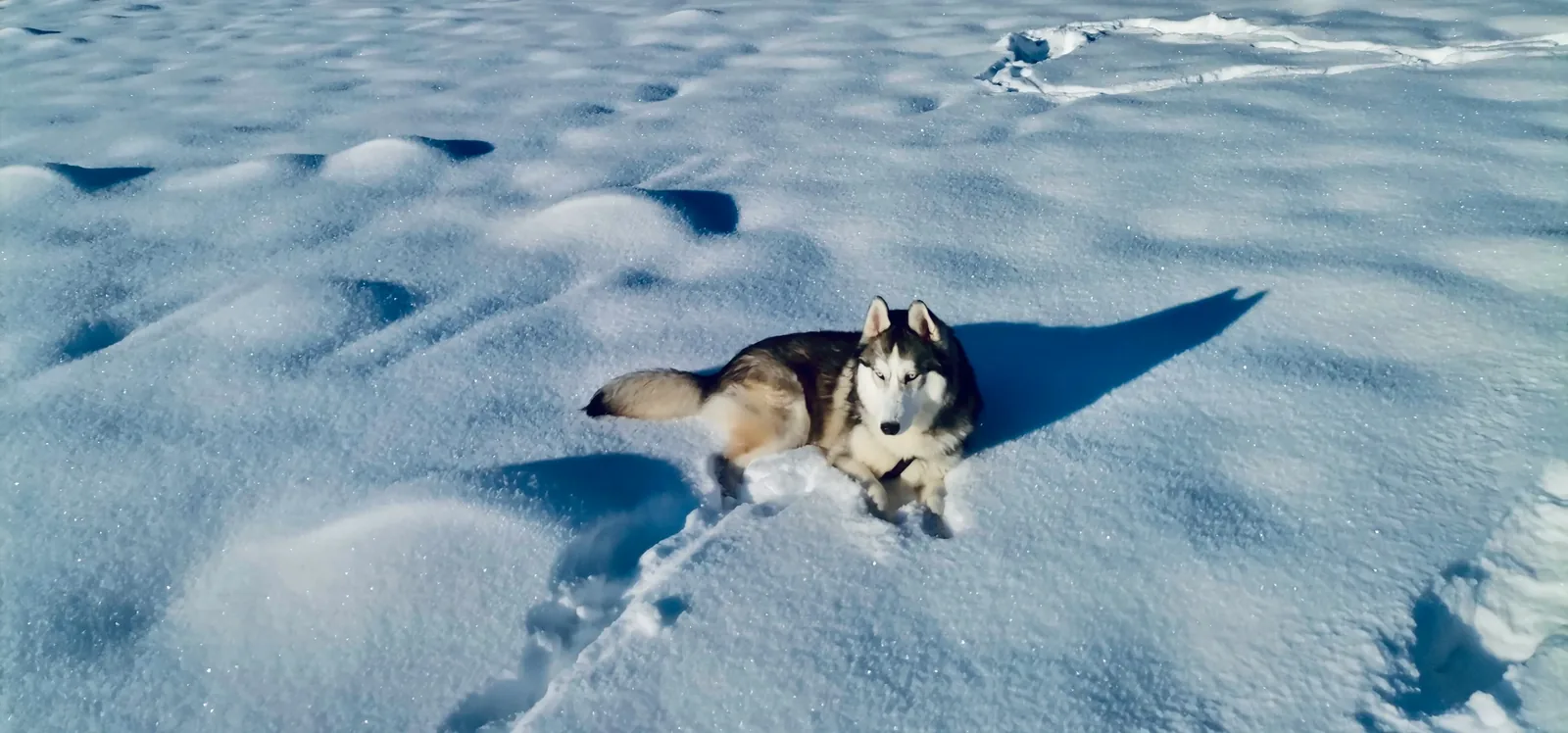
Siberian Huskies were bred for endurance and thrive in active homes
How Much Does Pet Insurance Cost for Siberian Huskies?
Prices based on $5,000 annual limit, 80% reimbursement, $500 deductible
Siberian Huskies are generally affordable to insure for their size and breed health profile. Their relatively low hip dysplasia rate means fewer breed-specific exclusions than some other large breeds. Here is what you can expect to pay based on your Husky's age and your location.
Pet Insurance Costs by Age
| Pet Age | Cat Monthly | Husky Monthly |
|---|---|---|
| 6 months | $18/mo | $32/mo |
| 5 years | $26/mo | $48/mo |
| 10 years | $52/mo | $85/mo |
Prices climb as Huskies get older. A 10-year-old Husky often costs two to three times what a 6-month-old puppy does. This is why most vets and breeders recommend signing up when your Husky is young, before pre-existing conditions pile up and exclusions become a problem. For Huskies specifically, hereditary cataracts typically develop between 1 and 3 years of age — early enrollment before that window closes is the smart move.
Siberian Husky Health Conditions and Costs
These are the most significant breed-specific health conditions in Siberian Huskies, based on OFA and ACVO data. All statistics are verified from official canine health databases.
| Condition | Prevalence | Avg. Treatment Cost | Notes |
|---|---|---|---|
| Hip Dysplasia | 2.2% of Huskies (OFA, 12,087 Huskies evaluated) | $3,000-$10,000+ | Relatively low for a medium-large breed, but still a real risk |
| Hereditary Cataracts | ~8% (ACVO, 1,345 Huskies evaluated) | $2,995-$6,845 per eye | Most common in dogs 1-3 years old |
| Corneal Dystrophy | ~3% | Monitoring only | Usually non-progressive, no surgery needed |
| Progressive Retinal Atrophy (XLPRA) | <1% | No cure — diagnostic testing only | Genetic test available through OFA/CHIC |
| Zinc-Responsive Dermatosis | Husky-specific | $100-$500 for diagnosis and supplements | Breed-specific condition, responds to zinc supplementation |
| Uveodermatologic Syndrome | Rare but serious | $1,500-$3,000+ | Autoimmune condition affecting eyes and skin |
Sources: Orthopedic Foundation for Animals (OFA), American College of Veterinary Ophthalmologists (ACVO), Siberian Husky Club of America (SHCA), CareCredit pet care cost guides.
Top Pet Insurance Providers for Siberian Huskies
| Provider | Rating | Monthly Cost | Deductible | Best For | |
|---|---|---|---|---|---|
Lemonade | 4.5/5 | $20 - $60 | 100, 250, 500 | Budget-conscious pet owners | Visit |
Healthy Paws | 4.8/5 | $30 - $80 | 100, 250, 500 | Comprehensive coverage | Visit |
Embrace | 4.3/5 | $25 - $70 | 200, 300, 500 | Customizable coverage | Visit |
Trupanion | 4.2/5 | $35 - $90 | 250, 500, 750 | Maximum reimbursement | Visit |
Odie | 4.4/5 | $25 - $45 | 250, 500, 1000 | Senior pets & wellness add-ons | Visit |
Advertising Disclosure: CheckItAll.net is an independent comparison site. We may receive compensation when you click links or sign up with partners featured on our site. This compensation may affect how and where products appear on this site. Our opinions are our own. Read our full disclosure.
Husky-Specific Coverage Questions
Does pet insurance cover hereditary cataracts in Siberian Huskies?
Yes, under comprehensive illness coverage. Hereditary cataracts affect about 8% of Huskies according to ACVO data, and surgery for both eyes typically costs $3,000 to $7,000. Enroll your Husky before signs develop — once cloudiness or vision changes appear, the condition is typically excluded as pre-existing. Annual eye exams by a veterinary ophthalmologist are recommended for Huskies between 1 and 6 years old to catch problems early.
What about hip dysplasia coverage for my Husky?
Most comprehensive plans cover hip dysplasia if it is not pre-existing when you enroll. Huskies have a relatively low prevalence at 2.2% according to OFA data, but when it happens, surgery can run $3,000 to $10,000 or more. Triple pelvic osteotomy (TPO), femoral head ostectomy (FHO), and total hip replacement (THR) are the surgical options, ranging from $2,200 to $10,000 per hip. Many providers have waiting periods of 6 to 12 months for hip dysplasia — enroll while your Husky is young.
Are zinc-responsive dermatosis treatments covered?
Zinc-responsive dermatosis is a breed-specific condition in Huskies where the dog cannot properly absorb dietary zinc, causing skin lesions and crusting. Diagnosis costs $100 to $500, and ongoing zinc supplementation runs $20 to $50 per month. Comprehensive plans typically cover the diagnostic work and ongoing management. This condition is rare in other breeds but well-documented in Huskies, making breed-specific coverage particularly valuable for this breed.
What about uveodermatologic syndrome in Huskies?
Uveodermatologic syndrome is a rare but serious autoimmune condition in Huskies that affects both the eyes and skin simultaneously. Treatment costs $1,500 to $3,000 or more depending on severity and duration of therapy. If your Husky shows signs of eye inflammation combined with skin lesions, see a veterinary dermatologist promptly. Comprehensive pet insurance covers the diagnostic work and ongoing treatment.
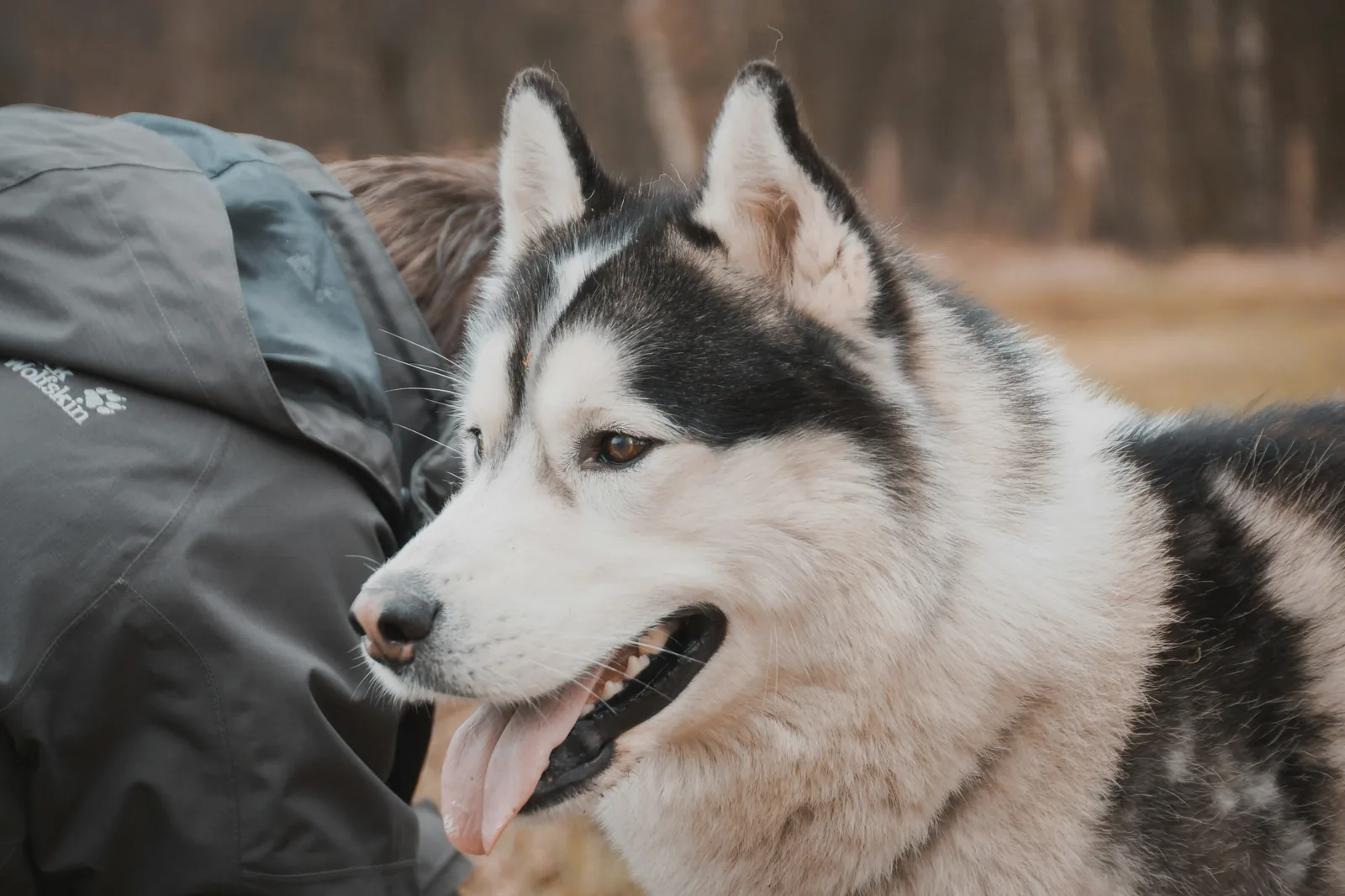
Regular Vet Checkups Matter for Huskies
Annual eye exams and hip X-rays help catch breed-specific conditions early when they are most treatable.
Frequently Asked Questions about Pet Insurance for Siberian Huskies
Is pet insurance worth it for Siberian Huskies?
For most Husky owners, yes. While Huskies are generally healthy, hereditary cataracts affect 8% of the breed, hip dysplasia occurs in 2.2%, and their active nature means injuries are always possible. A single cataract surgery for both eyes can run $3,000 to $7,000. If that would stretch your budget, insurance makes sense.
How much does pet insurance cost for a Siberian Husky?
Siberian Huskies average about $45/month for comprehensive coverage. Prices vary by age — puppies are cheaper, seniors cost more — and by location and coverage level. Huskies in their prime years (1-6 years) typically get the best rates.
Does pet insurance cover breed-specific conditions?
Most plans cover hereditary and congenital conditions if they are not pre-existing and not explicitly excluded. For Huskies, this means hip dysplasia, hereditary cataracts, and zinc-responsive dermatosis are typically covered. Review each provider's breed-specific policy and waiting periods before enrolling.
What is the claims turnaround time?
Most pet insurance providers process claims within 2 to 3 weeks. Some providers like Trupanion offer direct vet pay at the time of visit, which means you do not have to pay out of pocket and wait for reimbursement. Check with your provider about direct vet pay options when you enroll.
Can I use any vet for my Husky?
Most pet insurance plans work with any licensed veterinarian — you are not restricted to a network. This means you can use your local vet, a specialty clinic, or an emergency vet anywhere. Some providers offer discounts for using in-network vets, but the flexibility to see any vet is standard with most plans.
Are there waiting periods for Husky-specific conditions?
Yes. All pet insurance plans have waiting periods — typically 1 to 14 days for illness coverage and 1 to 5 days for accidents. Hip dysplasia and other orthopedic conditions often have longer waiting periods of 6 to 12 months with some insurers. If your Husky needs immediate coverage, pet insurance is not the right tool — consider setting aside money in a dedicated pet savings account instead.
How do I choose the right deductible for my Husky?
Higher deductibles lower your monthly premium but mean more out of pocket when you file a claim. For Huskies, a $250 to $500 deductible is common — it keeps premiums reasonable while protecting against the serious events like surgery or eye treatment that can cost thousands. Consider your budget and risk tolerance when choosing.
What is pre-existing condition exclusion for Huskies?
Any condition that showed signs or symptoms before your policy start date is typically excluded as pre-existing. For Huskies, this most commonly applies to eye conditions and joint issues. This is why early enrollment is critical — sign up your Husky before cataracts, hip dysplasia, or other conditions develop. Once signs appear, the condition is typically permanently excluded from future coverage.
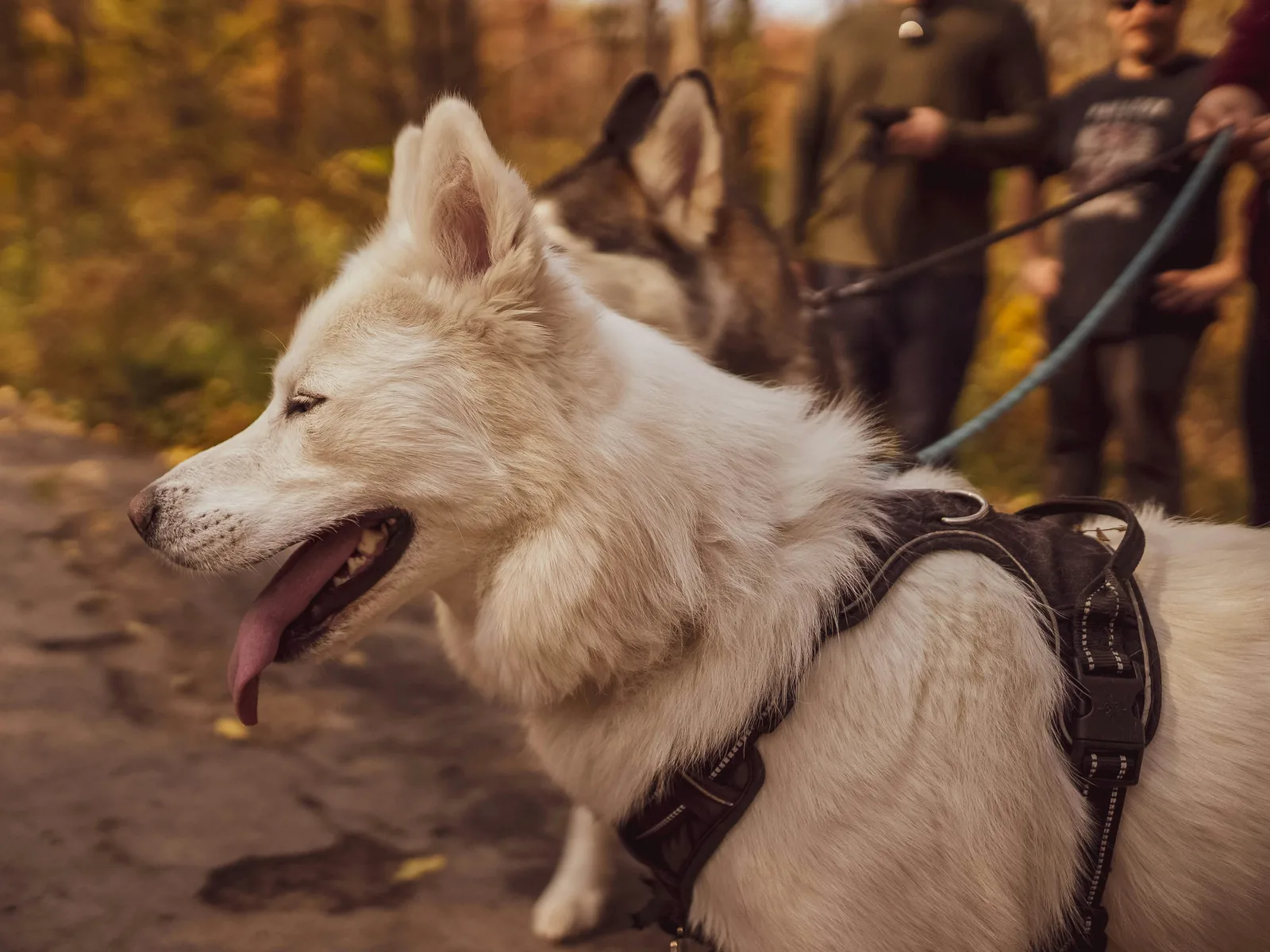
Keeping Your Husky Healthy and Active
Huskies thrive with plenty of exercise, mental stimulation, and regular vet checkups. Pet insurance protects the investment you make in your dog's health.
Pet Insurance for Other Breeds
Advertising Disclosure: CheckItAll.net is an independent comparison site. We may receive compensation when you click links or sign up with partners featured on our site. This compensation may affect how and where products appear on this site. Our opinions are our own. Read our full disclosure.